




A SERP (Search Engine Results Page) is simply the list of web pages and answers you see after typing something into a search engine like Google. It’s where the magic begins—where you find the information, products, or services you’re looking for online.
It is very rare to see Google search results without any SERP features. According to data from SEMrush and other SEO sources in 2025, only about 1-2% of first-page Google results show plain organic listings without any special elements like featured snippets, People Also Ask boxes, local packs, or image carousels. Most search results now include multiple SERP features designed to give users quick answers and richer information directly on the results page. This shift means optimizing for SERP features is essential for visibility and clicks because just ranking in the traditional blue links is no longer enough to capture user attention.
In this guide, you’ll discover what different types of SERPs look like, key features you can expect, and practical tips to help your website show up higher and catch the attention of your audience. Understanding this will give you the power to improve your site’s visibility and connect better with people searching for what you offer.
Did you know that over 70% of clicks go to the organic results on the first page of Google? This means ranking well on the SERP can make a huge difference for your website’s traffic and success.
Whether you’re a business owner, a marketer, or just curious about how search works, this guide is designed for you. By the end, you’ll have clear steps you can take to make your site stand out on search results and attract more visitors.
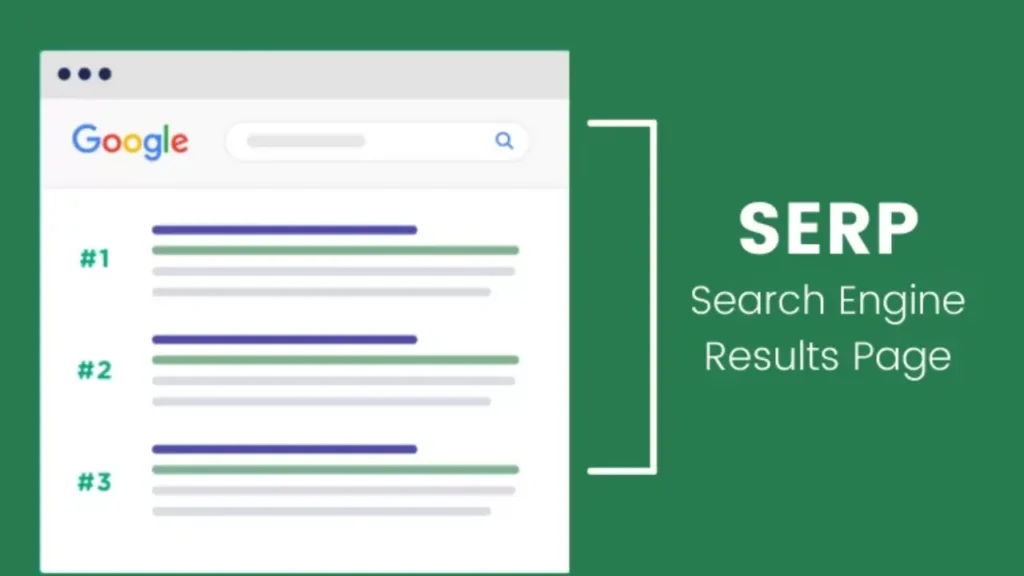
Why the SERP (Search Engine Results Page) Matters for Your Website
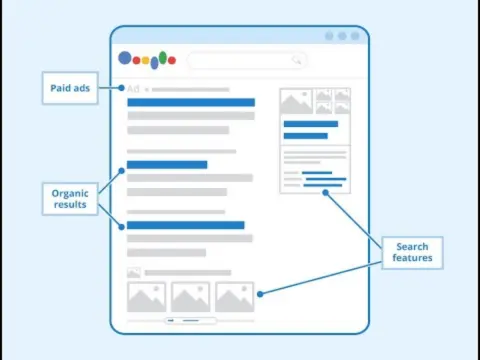
Your website’s presence on the Search Engine Results Page (SERP) can make a huge difference in how many people visit it. The SERP is the page you see after typing a query in Google, Bing, or any other search engine. It shows a mix of results, including organic listings you earned through quality content, and paid ads that businesses pay for to appear. Understanding how the SERP works helps you know what actions can boost your site’s visibility and traffic.
Organic vs Paid Results: Why Organic SERP Positions Matter
Organic results are the unpaid listings on the SERP. They appear because the search engine thinks your content is the most relevant and trustworthy for the question asked.
Paid results, or ads, are placed through bidding in advertising platforms. While ads can give quick visibility, organic positions are often clicked more and viewed as more authentic.
Earning higher organic spots is valuable because it builds lasting trust and steady traffic to your site without ongoing ad costs.
Click-Through Rate and SERP Position:
The top organic result gets around 30% of all clicks on a Google search page.
- Results on the first page get over 90% of all clicks, with the second page dropping dramatically.
- The second and third positions receive 15% and 10% of clicks respectively, showing how important ranking is.
Why SERP Features Matter: The Key to SEO Success and Organic Traffic Growth
SERP features matter because they shape how users find and interact with search results, directly impacting your website’s visibility and organic traffic.
These features—such as featured snippets, People Also Ask boxes, local packs, and rich snippets—go beyond traditional blue links to provide quick, useful information right on the search page.
For SEO, appearing in SERP features means:
- Increased Visibility: Your site can stand out at the top or in special sections, capturing attention even if you’re not the top organic result.
- Higher Click-Through Rates (CTR): Listings with rich features like review stars or FAQs often get more clicks because they are more informative and trustworthy.
- Brand Authority and Trust: Being featured signals authority and expertise to users, improving your brand reputation and perceived value.
- Better User Experience: Providing direct answers and helpful info on the SERP matches search intent, which aligns with Google’s goals and can improve your ranking over time.
- Competitive Advantage: Leveraging SERP features helps you outshine competitors who rely only on basic listings.
In today’s evolving search landscape, optimizing for SERP features is essential to maintain and grow organic search traffic, making them a crucial part of any effective SEO strategy.
Key Factors That Impact SERP Rankings in 2025: What Really Matters for SEO Success
Several important factors impact your website’s rank on Search Engine Results Pages (SERPs). Understanding these will help you create content and websites that Google loves and that show up higher, attracting more visitors.
- Content Quality and Relevance:
Google wants to show users the best and most relevant answers. Your content needs to be clear, useful, and directly answer the searcher’s question. Quality content that provides real value ranks higher.
- User Experience & Page Performance:
Fast, mobile-friendly sites with easy navigation keep visitors happy. Metrics like page speed, layout stability, and secure connections (HTTPS) now play a big role.
- Backlinks and Authority:
Links from trusted, relevant websites act like votes of confidence. The more quality backlinks you have, the more Google trusts your site.
- Keyword Optimization and Search Intent:
Using the right keywords naturally in your titles, headings, and text helps Google understand your content. Also, matching what users are really looking for (informative, transactional, etc.) impacts rankings.
- Engagement Metrics:
If visitors stay longer, click through your site, and interact, it signals to Google that your site satisfies users.
- Structured Data and SERP Features Optimization:
Adding schema markup helps Google display your content in rich results like featured snippets or FAQs, boosting visibility and clicks.
- Local SEO:
For local searches, optimizing Google Business Profile, consistent name/address/phone info (NAP), and positive reviews improves local pack rankings.
Impact of SERP Feature Updates in 2025:
In 2025, many websites lost rankings and organic traffic due to Google’s evolving SERP features including AI overviews, expanded rich snippets, and new search formats. Sites that did not adapt to these changes, such as providing direct answer content or leveraging structured data, saw drops in visibility because Google satisfies user queries directly on the SERP more often without users clicking through.
To stay competitive, focus on creating authoritative, user-focused content optimized for both traditional rankings and emerging SERP features. This holistic approach protects your visibility and unlocks new traffic streams despite ongoing changes.
What is SERP Visibility ?
SERP Visibility refers to how prominently and frequently a website appears in search engine results pages (SERPs) when users search for relevant keywords or topics.
It goes beyond just ranking at a certain position; it measures the overall presence a site has across all the different search results related to its content.
Higher SERP visibility means your website shows up in more places on the results page—such as in organic listings, featured snippets, local packs, image or video carousels—and attracts more clicks and impressions from users.
This metric is important because the more visible your site is on the SERP, the greater the chance you’ll get organic traffic. Even small movements up in ranking positions can significantly increase visibility, especially near the top of the first page, where click-through rates are much higher. SERP visibility also encompasses how well your site appears in specialized SERP features like People Also Ask boxes or knowledge panels, which can build brand awareness and trust without users necessarily clicking through immediately.
Improving SERP visibility means optimizing your content and site structure to perform well across various search features—not just focusing on traditional rankings. This may include using structured data, creating content that answers popular questions, optimizing for local search, and maintaining consistency in your online presence.
In short, SERP visibility is a comprehensive way to measure how easily users can find your website in search results, including multiple types of placements, which directly impacts your site’s potential for organic traffic and online success.
How SERP Features (Snippets, PAA, Local Pack) Change User Behavior
Google’s SERP also includes special features beyond classic links. Featured snippets (quick answers at the top), People Also Ask (PAA) boxes, and local packs showing nearby businesses help users find answers faster.
These features change how people interact with the SERP by giving instant info or localized options, often reducing clicks but increasing satisfaction. If your content is picked for these features, it can drive more targeted traffic and boost your site’s authority.
Knowing these facts about the search engine results page is key to creating content and strategies that attract more visitors and keep them engaged naturally and authentically.
Types of SERP Results: Understanding Every Result Type
When you search for something online, the page of results you see is called the Search Engine Results Page (SERP).
It is made up of many different types of results, each designed to help you find the information you want quickly and easily. Knowing these types helps you understand how people see your website and how to make it stand out.
Here is a clear list of common types of SERP results:
- Organic Search Results (Standard Blue Link + Meta Description)
- Paid Results (Search Ads / PPC)
- Local Pack / Map Pack (Local SERP Results)
- Video Results (YouTube Thumbnails in SERP)
- Image Results (Image Carousel)
- News & Top Stories (Breaking News SERP)
- Shopping Results (Product Listing Ads / PLAs)
- People Also Ask (PAA) & Related Questions
Organic Search Results (Standard Blue Link + Meta Description)
These are the regular results you see most often—blue clickable titles with a short description underneath. They appear in the middle of the SERP and are ranked by how relevant and trustworthy the search engine thinks they are. Typically, the top organic results get the majority of clicks. For example, the first organic result often gets about 30% of all clicks, showing how important these listings are for attracting visitors.
Paid Results (Search Ads / PPC)
Paid results are ads that businesses pay to appear for certain keywords. They usually show up at the very top or bottom of the SERP and are marked as ads. Unlike organic results, paid ads aim for quick visibility and immediate clicks but usually have much lower click-through rates, around 2-5%. Their intent is commercial—to promote products or services directly.
Local Pack / Map Pack (Local SERP Results)
The Local Pack is a special box that shows local businesses related to your search, typically including a map, business names, addresses, phone numbers, and ratings with stars. For example, if you search for “coffee shop near me,” the Local Pack highlights the top 3 local coffee shops with directions and reviews, helping users find nearby options fast.
Video Results (YouTube Thumbnails in SERP)
Video results show clickable thumbnails linking to videos, most often from YouTube. They appear for topics where visual or spoken explanations help, like tutorials or product reviews. Videos attract attention because they offer dynamic content and often show up near the top of the results.
Image Results (Image Carousel)
Image results are displayed as a horizontal carousel of pictures related to the query. Clicking an image takes users to the source site. These results are great for topics like recipes, fashion, or art, where visuals matter a lot.
News & Top Stories (Breaking News SERP)
News results show the latest articles from trusted news sources about current events. They often appear in a separate box or slider and are updated constantly to keep users informed with fresh information.
Shopping Results (Product Listing Ads / PLAs)
Shopping results feature product images, prices, and seller information, often at the top or side of the SERP. These ads help users compare products quickly and directly connect with sellers.
People Also Ask (PAA) & Related Questions
The People Also Ask box shows popular questions related to your search with expandable answers. It helps users explore topics deeper and find quick answers without leaving the SERP. This feature encourages engagement and guides users to more relevant content.
Understanding these types of SERP results helps you see how Google delivers information and how your content can reach more people by appearing in the right places on the page.
SERP Features Explained: Rich Snippets, Knowledge Panel & More
Search Engine Results Pages (SERPs) aren’t just simple lists of links anymore. SERP features are special elements that appear alongside or above traditional results, helping users find quick answers, rich information, or interactive content. These features shape how users interact with search results and offer many ways for websites to stand out.
Featured Snippet
A featured snippet is a concise answer pulled directly from a webpage and shown at the very top of Google’s results.
It aims to answer the user’s question immediately without needing to click through. These snippets can be paragraphs, lists, or tables.
Example featured snippet box:
What is a SERP?
A SERP (Search Engine Results Page) is the page you see after entering a search query in Google, showing a mix of organic results, ads, and special features.
Google selects featured snippets based on clear, well-structured content on your page that directly answers common questions.
Knowledge Panel
The Knowledge Panel shows detailed information about people, places, organizations, or things, usually on the right side of the search results.
It includes facts, images, related searches, and links from trusted sources like Wikipedia. Knowledge Panels appear when Google identifies an entity connected to the search query.
Rich Snippets and Structured Data
Rich Snippets add extra visual details to normal search results, such as star ratings, cooking time for recipes, event dates, or product prices.
These features are powered by structured data markup on your website, using standards like Schema.org. Adding the right structured data helps search engines understand your content better and can improve click-through rates.
People Also Ask (PAA)
This feature shows a list of related questions that other users commonly search for. Clicking a question expands a short answer snippet, encouraging users to explore deeper.
Appearing in PAA can increase your content’s visibility and attract more traffic by answering broader topics.
Sitelinks, Breadcrumbs & App Packs
Sitelinks are extra links under a main search result, guiding users to important sections of a website. Breadcrumbs help users understand site navigation directly from the results.
App Packs showcase links to mobile apps related to the search.
Review Stars & Rich Cards
Particularly useful for e-commerce, review stars add visible ratings to your products in the results, building trust.
Rich Cards are mobile-friendly, visually enhanced listings highlighting products, recipes, or events, improving user engagement on mobile devices.
Image & Video Carousels
These carousels show a row of clickable images or videos relevant to the search. Using optimized thumbnails and proper markup helps your images and videos appear in these features, boosting your chances to attract users visually.
What are SERP Features change Alerts
SERP Features Change Alerts are notifications or updates that inform website owners, SEO professionals, and digital marketers about significant adjustments or new introductions of special elements on Search Engine Results Pages (SERPs).
These changes can include the appearance of new SERP features like featured snippets, People Also Ask boxes, video carousels, or changes in how existing features behave or are displayed.
Why are SERP Features Change Alerts useful?
- Stay Ahead of the Curve: When Google updates or adds new SERP features, these alerts help you quickly understand the changes and adapt your SEO strategy accordingly to maintain or improve your visibility.
- Optimize Content Strategy: Knowing when new features are rolled out allows you to update your content to target those features, like structuring content to win featured snippets or using proper schema markup for rich snippets.
- Monitor Competitor Activity: Alerts can reveal how competitors are gaining visibility in new or altered SERP features, giving you insights into new opportunities or areas needing improvement.
- Track Impact on Traffic: Some SERP changes can drastically affect click-through rates. Alerts enable you to monitor if these changes affect your site’s performance and adjust your tactics promptly.
In essence, SERP Features Change Alerts serve as an early warning system to keep your website SEO aligned with Google’s evolving search landscape, ensuring you leverage every opportunity to stay visible and competitive.
How SERP Is Changing: AI Overviews, Personalization & Mobile-first
Search Engine Results Pages (SERPs) are evolving rapidly, shaped by advances in AI, user behavior, and device usage. These changes influence how search results appear and how users interact with them, affecting click-through rates and website visibility.
AI Overviews & Generative Answers: What They Mean for Click-Throughs
AI overviews are concise, automatically generated summaries that aim to directly answer users’ queries right on the results page. They often include generative AI elements pulling info from multiple sources.
While these overviews provide instant answers, they can reduce the number of clicks to websites by satisfying user intent on the spot. However, they also offer new opportunities for sites featured in these snippets to gain visibility and build trust in highly competitive niches.
Personalization & Localization (Search History, Geo-Targeting)
SERPs are increasingly personalized based on a user’s search history, location, and preferences. Localized results show tailored content such as nearby businesses or region-specific information.
For marketers and website owners, this means optimizing not just for keywords but also for local SEO and user behavior signals. Personalized SERPs help users find exactly what they need faster but require businesses to ensure they are visible across different regions and user profiles.
Mobile-First SERP and Page Experience Signals
With the majority of searches now happening on mobile devices, Google prioritizes the mobile version of websites for ranking and indexing—a practice called mobile-first indexing.
Mobile SERPs highlight the importance of fast-loading, easy-to-navigate sites that deliver a smooth experience on small screens. Page experience signals like site speed, visual stability, and easy tap targets are critical for ranking well. Websites optimized for mobile-first not only perform better in search rankings but also provide better usability, reducing bounce rates and increasing engagement.
SEO Best Practices and hacks to Rank on SERP & Earn SERP Features
To rank well on search engine results pages (SERPs) and earn special features like featured snippets, you must focus on creating content that truly helps users and making your site easy for search engines to understand.
Here’s a clear, simple guide packed with actionable steps to boost your chances.
Prioritize User Intent + Structured Content
Always start by understanding what your audience wants when they search. Are they looking for quick answers, in-depth guides, or local services? Create clear, organized content that meets these needs, breaking information into easy-to-scan sections with headings, lists, and tables.
Optimize Content for Featured Snippets
Featured snippets show up as quick answers at the top of Google. To win these, write concise, clear answers of about 40–60 words that directly respond to common questions. Follow this with more detailed explanations or step-by-step guides.
Example :
“What is SEO? SEO stands for Search Engine Optimization; it is the process of improving your website to rank higher on search engines and attract more visitors.”
Then expand with examples or detailed tips.
Use Structured Data (JSON-LD) for Rich Results
Add structured data to your pages using JSON-LD markup. Focus first on key content types:
- Articles (news, blogs)
- FAQ sections (common questions)
- How-To guides (step instructions)
- Products (prices, availability, reviews)
Structured data helps search engines display rich snippets like stars, FAQs, and how-to steps.
On-page SEO Checklist for SERP
- Craft clear, relevant title tags with keywords near the start
- Write compelling meta descriptions under 160 characters
- Use descriptive headings (H1, H2) to organize content
- Create simple, readable URLs that include keywords
Improve CTR on SERP
Make your listings stand out by:
- Writing powerful meta descriptions showing benefits
- Using title modifiers like “Best,” “2025,” or “Guide”
- Adding numbers (“7 Tips”) or brackets (“[Step-by-Step]”) for clarity
Example:
Meta title: “SEO Basics 2025: Complete Beginner’s Guide”
Meta description option 1: “Learn essential SEO tips to boost your website traffic in 2025. Easy and effective strategies for all businesses.”
Meta description option 2: “Step-by-step SEO guide for beginners. Discover how to rank higher and get more clicks today!”
Technical SEO for Better SERP Presence
Improve site speed, especially on mobile devices. Use canonical tags to avoid duplicate content issues. Make sure your website is mobile-friendly and secure (HTTPS).
Local SEO Tactics to Appear in Local Pack
Manage your Google Business Profile carefully. Keep your name, address, and phone number (NAP) consistent across all directories and citations. Encourage positive reviews and add local keywords to your content.
Media & Visual Optimization
Use high-quality images and videos to engage visitors. Optimize file sizes for fast loading and add descriptive alt text. Use proper thumbnails and set Open Graph tags for social sharing.
E-A-T & Trust Signals for Higher SERP Authority
Show expertise and trustworthiness by including author bios with credentials, citing reliable sources, and regularly updating your content with fresh data.
Link Building and Internal Linking Strategies
Earn backlinks from trustworthy sites to boost authority. Use internal links to help users and search engines navigate your website smoothly and highlight important pages.
How to write or set an article for featured snippets optimized ?
To write or set an article optimized for featured snippets, focus on creating clear, direct, and well-structured content that answers specific questions concisely. Featured snippets are selected by Google when the content provides the best quick answer to a user query, often shown in a special box at the top of search results.
Key steps backed by data and best practices:
- Identify Target Questions: Use keyword research tools to find common questions related to your topic. Queries starting with “how,” “what,” “why,” “best,” or “tips” are great candidates for snippets.
- Provide Clear, Concise Answers: Featured snippets typically display answers between 40–60 words. Craft a precise definition or response upfront before expanding with more detail.
- Use Proper Formatting: Format answers as paragraphs, numbered lists, bullet points, or tables—depending on the question type. Google favors formats that deliver information quickly and visually.
- Structure Content with Headings: Use descriptive H2 and H3 headings that match or closely relate to search queries. This helps Google understand your content hierarchy and improves snippet eligibility.
- Add Relevant Visuals and Data: Incorporate images, charts, or tables to reinforce explanations and support claims. Visual content improves engagement and may be featured alongside text snippets.
- Implement Structured Data: Use Schema.org markup (e.g., FAQ, HowTo) to signal to search engines the content’s purpose, increasing the chance of snippet inclusion.
- Target High-Intent Keywords and Questions: Data shows that pages ranking within the top 5 positions have a higher chance of getting snippets. Improving overall SEO ranking boosts snippet chances.
- Use Real Data and Updated Information: Google favors fresh, authoritative, and trustworthy content that aligns with E-A-T principles. Cite recent studies, statistics, or expert insights.
Example from research:
- 70% of featured snippets come from the top-ranking page on Google [Source: Ahrefs].
- Pages with paragraphs that have 40–50 words answering the query are most commonly selected for snippets [Source: SEMrush].
In short, optimize your articles for featured snippets by answering questions clearly and quickly, formatting content properly, supporting it with structured data and real information, and maintaining strong SEO fundamentals.
Unlocking Vital SERP SEO Secrets: Proven Strategies to Rank Higher in 2025
Vital SERP SEO metrics are the most important numbers that show how well your website is performing on search engine results pages. Tracking these metrics helps you understand your visibility and find ways to grow your organic traffic and improve rankings.
Here are essential SERP SEO metrics for 2025:
- Impressions: How often your pages are seen in search results—high impressions signal strong visibility for your keywords.
- Clicks: The actual number of users visiting your site from the search results, showing how effective your listings are.
- Click-Through Rate (CTR): The percentage of searchers clicking your listing after seeing it. For example, the top organic result now gets around 40% CTR in 2025, while second and third places get 18% and 10%.
- Average Position: Your website’s average ranking for target keywords—higher positions mean more traffic.
- SERP Feature Appearances: How often your pages show up in special results like featured snippets, local packs, or People Also Ask boxes, which drive more visibility even beyond regular rankings.
- Core Web Vitals: Technical metrics such as Largest Contentful Paint (LCP), Cumulative Layout Shift (CLS), and Interaction to Next Paint (INP), which measure how fast and stable your site loads and interacts. These are now crucial for both SEO and user experience.
- Domain Authority & Backlinks: The strength and quality of your site’s backlink profile, signaling overall authority in search engines.
- Organic Traffic Trends: Monitoring not just the amount, but changes and growth in organic visitors.
- Keyword Rankings by Device & Location: Tracking your position across desktop/mobile and different regions, especially important for local SEO.
- Algorithm Traffic and LLM Referrals: In 2025, track your traffic from AI search platforms and measure new referral sources for future opportunities.
Focusing on these vital SERP metrics gives you the clearest, most actionable insights to refine your SEO strategy, adapt to search trends, and keep growing your search engine visibility.
How to Measure SERP Performance & Track Rankings (Tools + Metrics)
To improve your website’s visibility and traffic, it’s important to regularly check how your pages perform on search engine results pages (SERPs). Measuring and tracking your rankings helps you see what’s working, what needs fixing, and where to focus your efforts.
Key SERP Metrics to Track
- Impressions: How many times your page appears in search results, showing potential visibility.
- Clicks: How many users actually click on your listing from the search page.
- Click-Through Rate (CTR): The percentage of impressions that turn into clicks, telling you how appealing your title and description are.
- Average Position: Your page’s average ranking in the search results for specific keywords.
- SERP Feature Appearances: Whether your site appears in special results like featured snippets, People Also Ask boxes, or local packs.
Tracking these metrics helps you measure your SEO success, identify what’s working, and where improvement is needed to boost your visibility and organic traffic.
Tools to Measure and Track SERP Results
- Google Search Console: Free and easy to use, it offers detailed reports on impressions, clicks, CTR, and average positions directly from Google. It also shows which SERP features your site is appearing in.
- Semrush Position Tracking: A powerful paid tool that tracks your keyword rankings daily or weekly and monitors your competitors.
- Ahrefs: Offers ranking data, keyword insights, and SERP analysis to identify opportunities and monitor changes.
- RankMath and Yoast SEO Plugins: Helpful for content optimization and basic ranking insights directly inside your WordPress dashboard.
Quick Weekly Checklist to Monitor SERP Movement
- Check for any drops in impressions or clicks for your top pages.
- Monitor changes in average position; sudden drops can signal issues.
- Look for new or lost appearances in SERP features that could impact traffic.
- Review CTR differences; improving your titles and meta descriptions can increase clicks.
- Identify underperforming pages and plan content updates or SEO fixes to rescue them.
Tracking these metrics regularly allows you to react quickly, improve your SEO strategy, and keep your site competitive in search results.
CTR Benchmarks for Different SERP Features: What You Need to Know
Click-Through Rate (CTR) benchmarks vary by the type of SERP feature your website appears in. Top organic results typically get around 30% of clicks, while featured snippets attract between 8% and 30%, depending on the query. Local Packs usually generate 10% to 20% CTR, People Also Ask boxes see about 5% to 10%, and video carousels gain 3% to 8%. Shopping results generally have lower CTRs of 2% to 10%. These benchmarks help you understand where to focus SEO efforts to increase clicks and visibility across different search result features.
Here are common CTR benchmarks for popular SERP features, explained simply:
- Organic Results (Regular Blue Links): The top organic result usually gets around 30% of clicks. CTR drops sharply for lower positions, with pages on the first result page getting about 70-90% of total clicks.
- Featured Snippets: These often get CTRs between 8% and 30%, depending on the query. Because snippets show answers directly, some users don’t click through, but being in this spot greatly boosts visibility and trust.
- People Also Ask (PAA): Clicks here vary but can be around 5-10%. Since these expand to show quick answers, users often explore multiple questions, increasing engagement with your content.
- Local Pack (Map/Business Listings): CTRs can range from 10% to 20%, with higher rates for businesses close to the searcher’s location. Good reviews and accurate info boost clicks.
- Shopping Results: These ads or product listings can have CTRs from 2% to 10%, depending on price competitive, images, and reviews.
- Video Carousels: These typically get 3-8% CTR but perform well for how-to or entertainment queries where visuals are important.
- Image Carousels: CTRs vary widely but engaging, well-optimized images can attract significant clicks.
These numbers are averages and can differ by industry, keyword intent, and competition. Regularly monitor your own CTR in tools like Google Search Console to understand what’s working for your specific audience.
Optimizing meta titles, descriptions, and structured data improves CTR across all SERP features, helping your site get more clicks and traffic.
Understanding SERP Position Tracking and Visualizing Ranking Trends with Tracking Graphs
SERP Position Tracking is the process of regularly checking how your website ranks for specific keywords on search engine results pages (SERPs) like Google.
It helps you see where your pages stand compared to competitors over time. Since rankings can change due to updates, competition, or changes on your site, tracking allows you to understand performance trends, catch drops early, and adjust your SEO strategy to improve or maintain your position.
A SERP Tracking Graph is a visual tool that shows the position of your keywords over days, weeks, or months on a chart.
This graph makes it easier to spot patterns, such as a steady climb in rankings or sudden drops, so you can quickly react. For example, if your page ranking for a keyword drops from position 3 to 7 over a month, the graph alerts you to investigate and fix any issues.
Together, SERP Position Tracking and Tracking Graphs help you make data-driven decisions to grow organic traffic, outpace competition, and capitalize on SEO efforts by clearly showing how your visibility evolves in search results.
Reliable SERP SEO Metrics: What to Track for SEO Success
Reliable SERP SEO metrics are data points that help you measure how well your website performs in search engine results and guide your SEO strategy. Key metrics include:
- Impressions: How often your website appears in search results, reflecting your visibility.
- Clicks: The number of times users click on your website link from the SERP.
- Click-Through Rate (CTR): The ratio of clicks to impressions, showing how attractive your listing is to searchers.
- Average Position: Your average ranking position on the SERP for targeted keywords.
- SERP Feature Appearances: How often your site shows up in special SERP elements like featured snippets, local packs, or People Also Ask boxes.
- Bounce Rate & Dwell Time: Indirect engagement metrics indicating whether visitors find your content useful and stay longer.
- Page Speed (Core Web Vitals): Technical metrics related to website loading speed, interactivity, and visual stability, all affecting rankings and user experience.
Tracking these reliable metrics with tools like Google Search Console, SEMrush, and Ahrefs gives a clear picture of your SEO health and helps you make informed decisions to improve your SERP presence.
How SERP Features Have Changed in 2025 and Their Impact on Website Rankings
Over time, Search Engine Results Pages (SERPs) have changed a lot. Google has added many special features like featured snippets, People Also Ask boxes, local packs, video carousels, and AI-generated overviews. These changes aim to give users quick and clear answers right on the search page, often without needing to click through to websites.
Because of these updates, how websites rank and get traffic has also shifted. In 2025, many sites experienced drops in their search rankings and organic traffic. This happened because users increasingly get their questions answered directly on the SERP through features like AI overviews or featured snippets. While this helps users find information faster, it means fewer clicks to traditional website listings.
The impact is clear: websites that don’t adapt to these new SERP features can lose visibility and traffic. Successful sites now focus on optimizing not just for ranking but also for appearing in these special SERP features—like structuring content to win featured snippets, adding FAQ sections, using schema markup, and creating local business profiles.
This shift means SEO is no longer about just being high on the list, but about being visible in multiple ways across the search results. Sites that embrace these changes by making their content easy to find, trustworthy, and aligned with user intent will continue to grow their traffic despite SERP changes.
In summary, evolving SERP features in 2025 have reshaped rankings and clicks, challenging websites to innovate their SEO strategies to maintain and boost organic search success.
What are modern or innovative SERP SEO Tips and Tricks
Modern and innovative SERP SEO tips and tricks focus on adapting to the rapidly changing search landscape by leveraging new technologies, user behaviors, and Google’s evolving algorithms. These strategies go beyond traditional keyword targeting to maximize visibility, engagement, and ranking in today’s SERPs.
Here are key tips and tricks:
- Optimize for AI-driven SERP Features:
Create clear, concise answers to common questions using structured data like FAQ or HowTo schema to capture featured snippets and AI overviews. Use natural language reflecting voice search queries.
- Leverage Video & Visual Content:
Add optimized videos with detailed titles, descriptions, and transcripts. Use high-quality images with proper SEO tags to appear in video and image carousels.
- Focus on User Experience and Page Experience Signals:
Improve site speed, mobile usability, accessibility, and Core Web Vitals to meet Google’s mobile-first indexing and page experience priorities.
- Target Zero-Click Searches:
Craft content that provides immediate value in SERP features, like rich snippets and People Also Ask, as users increasingly consume answers without leaving the page.
- Use Topic Clusters and Semantic SEO:
Build content around central topics with interlinked supporting pages to cover broad user intent deeply, improving semantic relevance and topical authority.
- Optimize for Local and Hyperlocal Search:
Keep Google Business Profile updated, gather authentic reviews, and use localized content and keywords to rank in local packs.
- Incorporate E-E-A-T Principles:
Showcase Experience, Expertise, Authoritativeness, and Trustworthiness clearly through author bios, credentials, citations, and regularly updated data.
- Implement Advanced Structured Data:
Use more complex schema types beyond basics, like event, product availability, and FAQs, to increase rich result opportunities.
- Monitor SERP Volatility and Adjust Quickly:
Use tools to track ranking changes and SERP feature updates, then promptly optimize content or fix issues to maintain visibility.
- Leverage AI Content Assistants Smartly:
Use AI to draft outlines or content ideas but humanize and fact-check thoroughly to ensure authenticity and E-E-A-T compliance.
These modern tactics help sites not only survive but thrive in the competitive and dynamic world of 2025 SERPs, increasing organic visibility and engagement effectively.
Wrapping Up: The Essential Takeaways and Your Next Steps
In today’s dynamic digital landscape, understanding and mastering SERP features is essential for SEO success and driving organic traffic. This article explored why SERP features matter, how they have evolved in 2025, and the vital metrics and innovative strategies every website should use to rank higher. By optimizing content for featured snippets, leveraging structured data, focusing on user intent, and keeping up with ongoing SERP changes, you can not only improve your search visibility but also build trust and engagement with your audience.
Remember, SEO is no longer just about securing a high position in a list of blue links—it’s about visibility across multiple search result formats that meet users’ needs quickly and effectively. This shift demands a holistic, user-centered approach that combines technical SEO, content excellence, and smart adaptation to emerging trends.
Let Local City Solutions help you navigate these complexities with tailored strategies designed to boost and, maximize your organic reach, and keep you ahead of the competition. Reach out today to start transforming your search presence and turning clicks into loyal customers.
