

Paid Search Advertising (PPC) in 2025 is the practice of promoting your business through paid ads that appear on search engines like Google and Bing. It works on a pay-per-click model, where you pay only when someone clicks your ad.
A significant 2019 study revealed that 75% of people believe paid search ads help them easily find the information they are looking for online.
Pay-per-click marketing (PPC) has never been more exciting (or more challenging) than it is in 2025. In this walk-through you’ll discover: exactly what paid search is, how to build campaigns that make a real impact, smart paid search strategies for businesses of all sizes, how to measure and boost performance in both Google Ads and Bing Ads, and what trends are reshaping the game right now. By the end you’ll have a clear roadmap, practical tips you can act on today, and a mindset that’ll keep you ahead as the landscape continues to shift.
Imagine you and I sitting down with a cup of tea, talking about how ads pop up in search when you type something in Google—and someone clicks because it speaks to what they need right then. That’s the power behind PPC advertising trends 2025. Right now, global search-ad spending is projected to hit about $351.6 billion this year, showing just how serious businesses are about winning those clicks.
You might be wondering: “What’s changed?” or “How do I set up a campaign that doesn’t just waste money?” Good questions. We’ll cover both. We’ll explore what top-performing brands are doing differently, why some campaigns flop and others soar, and how you can use clear, simple tactics (not jargon) to succeed. We’ll also take a friendly look at how to keep your budget smart, how to pick keywords that matter, and what metrics you should watch.
Whether you’re just starting out or you’ve run a few campaigns before, this guide is designed to talk to you—no fluff, no complicated theory, just human-to-human advice. Ready to dive into the world of paid search and make it work for you? Let’s go.
What is Paid Search in 2025?
Paid search is a popular way businesses get noticed online by showing their ads right where people are searching—on search engines like Google and Bing. Think of it like a digital auction: companies pick specific words or phrases their potential customers might type in, and then compete for those spots by placing bids. When someone clicks the ad, the advertiser pays a fee—that’s why it’s often called pay-per-click, or PPC.
What makes paid search really powerful today is its ability to connect businesses with people who are actively looking for what they offer. Instead of shouting out to everyone, ads appear just to those ready to buy or learn more. This focus helps businesses get better results with their advertising budget.
In 2025, paid search is more competitive and smarter than ever. The total spend worldwide on search ads is expected to reach over $350 billion, showing how critical this channel remains. Google Ads leads the market, but Bing Ads and other platforms like Amazon Search are growing fast, making it easier for advertisers to reach diverse audiences.
With costs rising—average cost per click for many industries has increased by more than 40% recently—advertisers need to be savvy in choosing the right keywords, crafting relevant ads, and creating seamless user experiences through tailored landing pages. The best results come when ads answer specific user questions and solve problems in the moment they search.
Paid search also adapts to privacy rules and technology changes, using more automation and first-party data to keep ads effective and personal without compromising user trust.
Because of these features, paid search remains a go-to strategy for businesses big and small aiming for measurable growth in 2025.
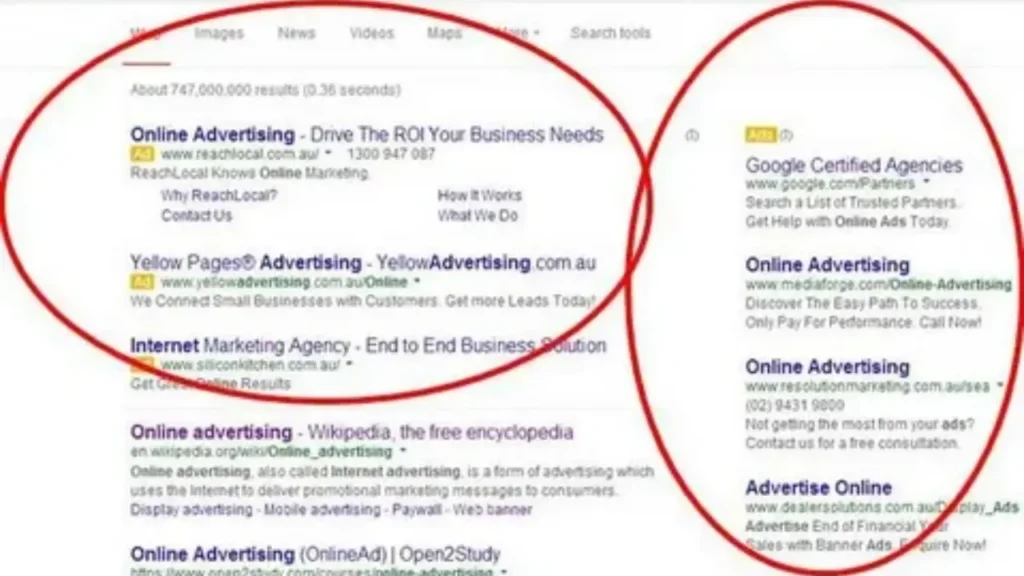
How to start paid search adverising
Starting paid search advertising effectively requires a clear strategy focused on goals, audience targeting, and continuous optimization.
First, define specific objectives such as increasing website traffic, generating leads, or boosting sales.
Choose the appropriate platform, with Google Ads being the most widely used due to its large reach and targeting flexibility. Research and select relevant keywords that potential customers are searching for, balancing search volume with competition to optimize ad spend.
Set a realistic budget and bidding strategy aligned with campaign goals, focusing your resources on high-intent keywords.
Craft compelling, clear ad copy that speaks directly to user needs and encourages action. Ensure landing pages are relevant and designed to convert visitors by aligning content and calls to action with ads.
Monitor campaign performance regularly using metrics like click-through rates, conversion rates, and cost per acquisition, and make data-driven adjustments to improve results. Paid search advertising success comes from ongoing testing, learning, and refining campaigns for maximum return on investment.
Is ppc still effective and can generate results in 2025
PPC (pay-per-click) advertising is still highly effective and capable of generating strong results in 2025. It remains one of the fastest ways to drive targeted traffic and conversions compared to organic search, with businesses earning on average $2 in revenue for every $1 spent on Google Ads. PPC also offers measurable ROI, strong targeting capabilities, and budget control flexibility.
Key trends shaping PPC effectiveness in 2025 include:
- Growing global spending on PPC, projected to hit $351.5 billion.
- Increasing use of AI and automation in campaign management, ad creation, and bid strategies to improve efficiency and performance.
- PPC traffic converting about 50% better than organic traffic and lifting brand awareness on average by 80%.
- Shifts in platform shares with Google still dominant but brands diversifying spend to platforms like TikTok and Amazon Search.
- The importance of dedicated landing pages, which convert 65% better than homepages, to maximize PPC ROI.
- Challenges include rising cost-per-click (CPC), reduced granular control for advertisers due to automation, and privacy-driven data limitations.
- Around 80% of businesses depend on PPC for growth, with 93% of marketers rating PPC as effective or highly effective.
Adapting by embracing AI tools, refining audience targeting, and optimizing landing pages are crucial for businesses to maintain PPC performance in 2025.
In summary, PPC remains an essential and effective digital marketing channel in 2025, especially for those who embrace automation and data-driven strategies to drive measurable growth and conversions.
what are major ppc platforms
PPC advertising is a vital digital marketing tool that enables businesses to reach highly targeted audiences and drive fast, measurable results. Various platforms specialize in different audiences and ad formats, allowing advertisers to strategically allocate their budget for maximum effectiveness.
The major PPC platforms in 2025 include the following:
- Google Ads: The largest and most popular PPC platform, covering Google Search, YouTube, and the Google Display Network. It offers multiple ad formats like text, video, and image ads with highly advanced targeting and AI-driven optimization. Google Ads commands the largest market share and reaches over 90% of internet users worldwide.
- Meta Ads (Facebook and Instagram): The leading social media PPC platform with over 3 billion combined users. It specializes in visual and audience-targeted ads, with low cost-per-click and strong engagement.
- Microsoft Ads: Serving Bing and its partner networks, this platform offers business-oriented PPC with generally lower CPCs and integration with LinkedIn for B2B targeting.
- Amazon Ads: Focused mainly on e-commerce sellers, this platform reaches shoppers with product-focused search ads.
- TikTok Ads: Growing rapidly, TikTok offers short-form video ad formats geared toward Gen Z and millennial audiences, delivering high engagement.
- LinkedIn Ads: Best for B2B advertising and professional audience targeting with premium lead generation.
- Other notable platforms include Pinterest Ads for visual products and native advertising platforms like Taboola and Outbrain.
These platforms vary by audience type, ad format, and budget suitability, providing diverse options for PPC advertising strategies in 2025.
The Evolution of Paid Search Advertising: From Simple Text Ads to Smart Campaigns in 2025
Paid search advertising has come a long way since its early days of plain text ads. Today, it’s a highly advanced tool that helps businesses reach the right customers at the right time—more efficiently and effectively than ever before. The rise in digital competition in 2025 means brands must use smarter methods to get noticed and get results.
Smarter Bidding Powers Better Performance
Today’s platforms use real-time data and signals to automatically adjust bids for each keyword and audience. This automation saves marketers hours of manual work. It also means budgets are spent where ads have the best chance to win clicks that lead to sales. In 2025, advertisers see an average cost-per-click increase of more than 40%, so optimizing bid strategies is essential to control costs and boost returns.
Advanced Audience Targeting Increases Conversions
While keywords still matter, modern paid search tools now also consider user behavior, interests, and past searches to serve ads. This means you can target people who are more likely to engage and convert. Platforms like Google Ads and Bing Ads allow layering of intent signals with demographics and interests for a more precise reach and improved campaign relevance.
Automated Testing and Spending Focus Improve Results
Testing multiple ad versions is now streamlined with built-in tools that quickly find what resonates best. Budgets shift dynamically toward the ads delivering the highest returns, reducing wasted spend. This step brings better performance with less effort, especially as marketplaces grow more competitive in 2025.
Why Paid Search Advertising Matters in 2025
In a crowded online world, grabbing immediate attention is critical. Paid search puts businesses right at the top of search results instantly—unlike SEO, which takes time to build momentum. With paid search ad spend expected to exceed $350 billion globally this year, it’s clear this channel drives traffic, leads, and sales faster and with measurable control. Using the latest strategies for Google Ads and Bing Ads performance can give any business a competitive edge.
Even in 2026, paid search ad spend is projected to stay strong, with growth slowing but still positive, reaching around $370 billion to $375 billion globally.
Paid search will continue to account for about 21–22% of all global digital ad spending.
This means paid search remains a vital, growing channel for businesses in 2026, continuing the trends of rising costs, smarter targeting, and more automation seen in 2025. It’s important to stay agile and optimize campaigns carefully to get the best returns given this ongoing investment increase.
Key Benefits of Paid Search Advertising in 2025
In 2025, paid search advertising (PPC) stands out as one of the most effective digital marketing strategies for driving quick, measurable growth. It gives brands instant visibility, precision targeting, and complete budget control — all while leveraging automation and real-time insights. Businesses use PPC to appear right when customers are searching, test different ad variations for better results, and remarket to people who showed interest but didn’t convert. With evolving PPC advertising trends 2025—like AI-powered bidding, richer audience data, and the rising impact of video ads—marketers now enjoy faster lead generation, improved ROI, and stronger brand presence across Google Ads and Bing Ads. Simply put, paid search in 2025 is about combining speed, accuracy, and smart automation to grow your business effectively.
1. Instant Visibility and Faster Results
Paid search ads put your business front and center, right when people are searching giving full brand exposure. Unlike organic SEO—which can take months or longer to show results—paid ads appear immediately on search engines like Google and Bing. This makes PPC ideal for new businesses wanting quick exposure, seasonal sales, or urgent promotions that need immediate attention. In fact, 78% of marketers say PPC delivers faster lead generation compared to other channels.
2. Highly Targeted Advertising for Better Returns
With paid search, you don’t just guess who might be interested—you reach people based on exactly what they’re looking for. Targeting can include:
- Search intent: People actively searching for products or services
- Location: From local neighborhoods to global markets
- Device type: Mobile, desktop, or tablet users
- Demographics: Age, gender, income level, and more
This precision means your ads show up only to those most likely to act, leading to click-through rates up to 44% higher than less targeted ads. Better targeting means less waste and more sales.
3. Flexible Budgets and Scalable Campaigns
PPC lets you take full control of your ad spend. You can set daily or monthly budgets to keep costs predictable and adjust bidding strategies to focus on keywords and audiences that bring in the highest conversions. Top advertisers in 2025 report being able to scale campaigns up or pause underperforming ads in real time, improving overall ROI by an average of 19%. This means paying only for the results you want, making paid search a cost-effective choice no matter your business size.
4. Smart Remarketing to Capture Lost Opportunities
Remarketing lets you reconnect with users who visited your site but didn’t convert. These warm leads are much easier to turn into customers, with click-through rates up to 10 times higher and conversion increases up to 40% for brands that prioritize personalized remarketing. Remarketing also reinforces brand recall and helps prevent competitors from stealing your potential customers.
5. A/B Testing for Continuous Improvement
Paid search platforms now offer built-in A/B testing tools that quickly compare different ad copies, headlines, and calls to action. This empowers marketers to identify what works best and optimize campaigns without guesswork, leading to better engagement and lower costs over time.
6. Growing Impact of Video Content
Video ads are becoming a bigger part of paid search campaigns, especially on Google’s YouTube network and Bing’s video inventory. Engaging video content helps capture attention and convey your message more powerfully, resulting in higher click-through and conversion rates. Video ad spend is forecast to grow substantially in 2025, complementing traditional text ads.
7. Refining Audience Targeting with Data and Automation
Thanks to richer data and machine learning (without being overly technical), paid search now refines audience segments dynamically. Marketers can layer behavioral, demographic, and intent signals to show ads only to the most relevant users—boosting performance while making campaigns more efficient and less wasteful.
Paid search advertising is a uniquely powerful channel in 2025—not just because it drives traffic fast, but because it combines precision targeting, smart automation, and continuous testing to deliver measurable business growth. Whether you’re reconnecting with past visitors through remarketing or engaging new leads with video ads, a well-managed PPC campaign can give your brand an unmistakable boost in visibility, engagement, and sales.
Paid Search vs. Other Digital Marketing Strategies: Which One is Right for Your Business?
In today’s highly competitive digital landscape, selecting the right marketing strategy is vital for attracting and engaging customers effectively. Paid search advertising (PPC) stands out as one of the fastest ways to drive highly targeted traffic. But how does it truly compare with SEO, social media advertising, and email marketing?
SEO vs. PPC – Long-Term Growth vs. Immediate Impact
What is SEO?
Search Engine Optimization (SEO) improves your website’s ranking in organic search results through quality content, backlinks, and technical website optimization. It builds credibility and drives consistent traffic over time. However, it often takes months to see meaningful results, making SEO a solid long-term growth strategy.
What is PPC?
Pay-Per-Click (PPC) advertising lets businesses bid on keywords to show ads instantly on search engines and social media platforms. You pay only when users click these ads, ensuring measurable ROI and immediate visibility for targeted keywords. PPC is especially suitable for time-sensitive campaigns such as product launches, seasonal promotions, or highly competitive niches where quick traction is essential.
Comparing Key Aspects
| Strategy | Time to Results | Cost Control | Targeting Precision | Ideal Use Cases |
| SEO | Months to years | Indirect (effort-based) | Broad and intent-driven | Building authority, evergreen growth |
| PPC | Immediate | Direct (budget-set) | Highly granular (keywords, demographics, behavior) | Quick traffic, promotions, competitive industries |
| Social Media Ads | Days to weeks | Flexible | Interest, behavior, demographics | Brand awareness, engagement, lead generation |
| Email Marketing | Hours to days | Low cost | List-based, personalized | Nurturing leads, customer retention |
Best Approach: A Hybrid Strategy
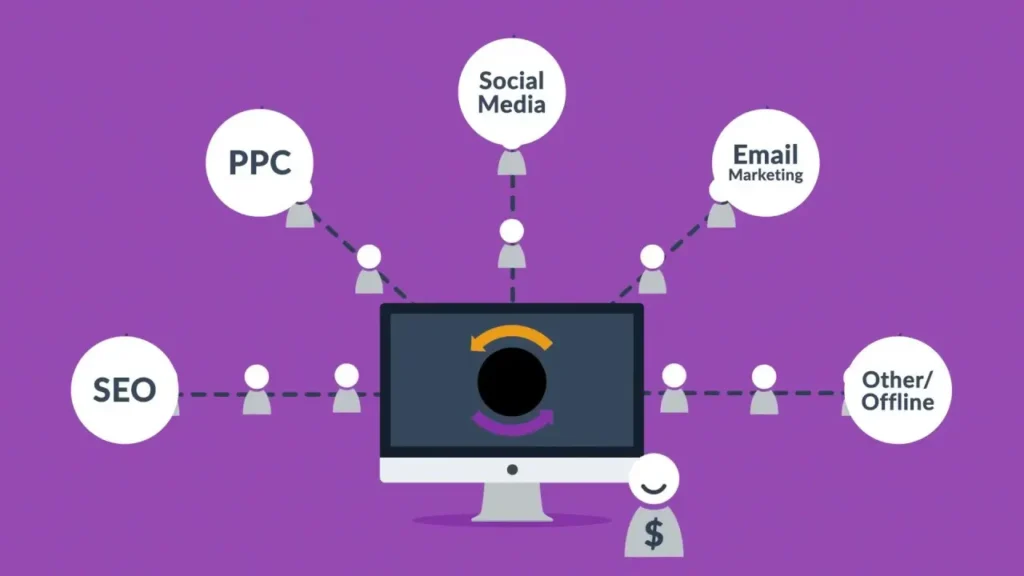
Many successful businesses in 2025 combine SEO and PPC to maximize ROI. SEO ensures a consistent stream of organic traffic and brand authority, while PPC captures immediate leads and fills gaps in competitive visibility. Supplementing both with social media advertising and targeted email marketing rounds out a comprehensive digital marketing approach tailored to diverse customer journeys.
Social Media Ads vs. PPC – Interest-Based vs. Intent-Based Targeting
How Social Media Ads Work
Social media platforms like Facebook, Instagram, and TikTok enable businesses to reach users based on what they like, their age, location, and online behavior. These ads excel at introducing new audiences to your brand and building awareness over time. For example, campaigns targeting interests such as fitness or fashion generate engagement and grow your follower base. However, because users aren’t actively searching for your product, social media ads may take longer to convert into sales.
How PPC Ads Work
PPC ads appear on search engines such as Google and Bing when users type in keywords related to a product or service. This means PPC captures people who already have a clear intent, often leading to faster actions like purchases or sign-ups. In 2025, studies show that search ads average a conversion rate nearly twice that of social media ads, emphasizing their strength for direct response and lead generation.
Which One is Better?
Social media ads shine when the goal is awareness and engagement—helping businesses create lasting relationships with potential customers. PPC excels at driving immediate results with high-intent traffic. Combining these channels allows brands to maintain visibility and nurture prospects through different stages of the customer journey, creating a well-rounded approach that maximizes impact.
Email Marketing vs. PPC – Nurturing vs. Acquiring Customers
How Email Marketing Works
Email marketing remains one of the most cost-effective ways to deepen relationships with existing customers and interested leads. Companies use personalized newsletters, exclusive offers, and product updates to keep their audience engaged. With an open rate average around 21% in 2025, email helps turn prospects into loyal buyers but relies on having an established contact list.
How PPC Helps Attract New Customersx
PPC targets fresh prospects actively searching for relevant products or services but who have yet to engage with your brand. It’s highly effective for acquiring new customers quickly. Research shows that PPC ads contribute to nearly 46% of total digital ad revenue, highlighting their vital role in expanding audience reach and generating immediate leads.
Which One is Better?
Email marketing nurtures and retains customers, increasing lifetime value, while PPC brings in new prospects rapidly. Together, they form a powerful lifecycle marketing system where PPC fuels acquisition, and email fosters ongoing engagement and repeat business.
Choosing the Right Strategy in 2025
Each marketing approach has distinct strengths:
- SEO builds authority and steady organic traffic gain over time.
- Social media ads foster brand discovery and community building.
- Email marketing strengthens customer loyalty and repeat sales.
- PPC delivers fast, targeted traffic and drives immediate conversions.
The optimal strategy integrates all these channels, allowing businesses to capture leads at every stage of the funnel. This multi-channel approach increases reach, enhances engagement, and supports sustained growth and profitability in 2025 and beyond.
How Paid Search Works: A Complete Guide
Paid search advertising, also known as Pay-Per-Click (PPC), works through a real-time auction system where advertisers bid to display their ads when users search for relevant keywords on search engines like Google or Bing.
When a user enters a query, the search engine evaluates all competing ads based on the bid amount, ad relevance, expected click-through rate, and landing page experience to calculate an Ad Rank. Ads with higher Ad Rank appear in better positions on the search results page, and advertisers only pay when someone clicks their ad.
This system ensures businesses reach highly targeted audiences with high purchase intent, delivering immediate visibility and measurable results. In 2025, PPC platforms integrate advanced automation and machine learning to optimize bidding and targeting, helping advertisers maximize return on investment with precision and efficiency.
How the PPC Auction Works
Every time someone enters a search query on Google, Bing, or another search engine, a real-time auction determines which ads appear and in what order. This entire process happens within milliseconds but involves several key steps:
- User Search Query: When a user types a keyword or phrase into the search bar, the search engine scans its database for ads that match or are relevant to the query.
- Ads Enter the Auction: Advertisers who have bid on those keywords become eligible to compete for ad placements. Not every advertiser will qualify.
- Ad Rank Calculation: Google and other platforms rank ads based on a combination of factors including:
- Bid Amount: The maximum amount an advertiser is willing to pay per click.
- Ad Quality: Relevance and usefulness of the ad to the searcher, measured by expected click-through rate (CTR), ad text relevance, and the landing page experience.
- Ad Extensions & Format: Additional elements such as phone numbers or site links that improve ad visibility and engagement.
- The search engine calculates an Ad Rank using a formula that weighs these factors, not just the highest bid wins.
- Ads are Displayed: Ads with the highest Ad Rank win premium placements on the search results page. Advertisers only pay when a user clicks on their ad, making PPC a cost-efficient method for buying targeted website traffic.
In 2025, the auction process is increasingly sophisticated, incorporating real-time user signals, device and location data, and automated bidding strategies powered by machine learning. This allows advertisers to reach the right audience with precision while optimizing for maximum return on ad spend.
Why Quality Score Matters in PPC
Quality Score is a critical metric used by Google and other search engines to evaluate the quality and relevance of your PPC ads.
It influences both your ad’s position on the search results page and the cost you pay per click. Quality Score is calculated based on three main factors: ad relevance (how closely your ad matches the user’s search intent), expected click-through rate (CTR, the likelihood that users will click your ad), and landing page experience (how useful, relevant, and easy to navigate your landing page is).
A higher Quality Score means you can achieve better ad placements at lower costs, improving your overall return on investment. Advertisers with higher scores often pay up to 50% less per click while gaining more visibility, making Quality Score a key driver of PPC campaign success in 2025. Maintaining tightly themed keywords, compelling ad copy, and a user-friendly landing page will help improve your Quality Score and PPC performance.
Best Bidding Strategies for Paid Search in 2025
Selecting the right bidding strategy is crucial to maximizing the impact of your PPC campaigns while controlling costs. As ad auctions and algorithms grow more sophisticated in 2025, using the appropriate bidding method helps you reach your goals efficiently and sustainably.
Target Cost Per Acquisition (CPA)
This strategy optimizes your bids to achieve conversions at a specific cost goal. It’s ideal if you want predictable acquisition costs and scalability. By focusing on lowering the cost per lead or sale, advertisers can increase profitability without overspending.
Target Return on Ad Spend (ROAS)
Designed for advertisers focused on revenue, Target ROAS automatically adjusts bids to maximize the return on each dollar spent. It requires historical conversion value data but helps balance cost and sales effectively, making it a top choice for ecommerce and high-value service providers.
Maximize Clicks
If driving traffic and website visits is your priority, this automated strategy lets you get the most clicks possible within your budget. It’s a great option for brand awareness campaigns or product launches that benefit from volume.
Manual Bidding
For advertisers who prefer hands-on control, manual bidding allows setting bids on individual keywords or placements. Though time-intensive, it enables precise adjustments based on performance data, competitive insights, and campaign goals.
Enhanced Cost-Per-Click (ECPC)
Blending automation with manual control, ECPC adjusts your manual bids in real time to increase conversions, while respecting your bid limits. It helps advertisers leverage machine learning benefits without losing strategic oversight.
Smart Bidding and Automation
Built on AI-powered algorithms, smart bidding strategies analyze vast data points—including device, location, time of day, and user behavior—to optimize bids dynamically. As automation matures in 2025, these strategies drive better results by making real-time decisions that would be impossible manually.
Mastering these bidding options with a clear focus on your business objectives allows you to compete effectively in the paid search arena. Combining improved bid management with enhanced ad quality and user-centric landing pages will not only lower costs but also boost conversions and overall ROI. The best advertisers in 2025 treat bidding as a fluid process—regularly testing, analyzing, and adjusting tactics to meet changing market conditions and audience behavior.
This comprehensive, practical guide to PPC bidding strategies gives businesses strong footing to win auctions efficiently and sustainably, positioning it as a valuable, trustworthy resource for digital marketers today.
Major Paid Search Platforms: Choosing the Right One for Your Business
Leading paid search platforms include Google Ads, Microsoft Advertising, and Amazon Ads, each offering unique advantages. Google Ads dominates with the widest reach and advanced targeting options, Microsoft Advertising offers a cost-effective alternative with access to professional audiences, and Amazon Ads excels for e-commerce brands targeting purchase-ready shoppers. Choosing the right platform depends on your specific business needs, and many marketers combine multiple platforms to maximize visibility and ROI.
Paid search advertising connects businesses with customers actively searching for products or services. The choice of platform can shape the success of your campaigns based on your goals, budget, and target audience.
Google Ads: The Industry Leader
Google Ads commands the largest share of global search traffic and provides diverse ad formats including search, shopping, display, and YouTube ads. It caters to businesses of all sizes, thanks to its robust targeting and detailed analytics. However, competition is fierce, which can lead to higher cost-per-click (CPC), especially in lucrative industries.
Microsoft Advertising (Bing Ads): A Cost-Effective Alternative
Microsoft Advertising, powering Bing, Yahoo, and DuckDuckGo, offers lower CPC and less competition. It attracts an older, professional demographic and integrates LinkedIn targeting, making it a favorite for B2B marketing and businesses with budget constraints or niche audiences.
Amazon Ads & Beyond:
Amazon Ads is crucial for online retailers, targeting shoppers with strong buying intent. Other platforms like Yahoo and DuckDuckGo appeal to privacy-conscious users, providing less crowded ad spaces with unique targeting opportunities.
Mastering Keyword Targeting for Better PPC Results in 2025
Effective keyword strategy remains key to PPC success:
- Short-Tail Keywords: Broad with high search volumes; great for brand awareness but costly and competitive.
- Long-Tail Keywords: More specific and less competitive; deliver high conversion rates by reaching users closer to purchase.
- Transactional Keywords: Clearly express buying intent; ideal for driving conversions quickly.
- Branded Keywords: Protect your brand and capture loyal and aware customers.
- Negative Keywords: Essential for filtering irrelevant traffic and optimizing ad spend.
Smart keyword research involves competitor analysis, monitoring search trends, and understanding user intent—all vital for maximizing ad relevance and ROI in 2025.
Crafting High-Converting PPC Ad Copy and Campaign Optimization
Creating PPC ads that capture attention and drive clicks is essential to turning visitors into customers. Alongside ad copy, optimizing landing pages and managing budgets effectively ensures you maximize your return on ad spend.
Writing Ads That Convert
- Highlight Urgency and Benefits: Use clear language that encourages quick action, such as limited-time offers or exclusive deals. Show users what’s in it for them to make your ad irresistible.
- Use Emotional Triggers: Tap into emotions like curiosity, fear of missing out (FOMO), or joy to create a connection. Ads that engage feelings lead to higher engagement and clicks.
- Personalize with Dynamic Keyword Insertion: Tailor ads by dynamically inserting the user’s search term into headlines or descriptions. This relevance boosts click-through rates (CTR) by making ads feel customized.
- Keep Messaging Clear and Focused: Limit the number of ideas and avoid jargon. Strong, simple calls to action like “Shop Now” or “Get a Free Quote” prompt immediate responses.
A/B Testing Best Practices
- Experiment with different headlines, descriptions, and call-to-actions to discover what works best.
- Test various ad formats and extensions.
- Measure results by monitoring CTR, conversion rates, and Quality Score.
- Regularly review performance data and iterate to continually improve campaign effectiveness.
Optimizing Landing Pages for Maximum ROI
A compelling landing page is where clicks turn into conversions. Focus on these elements:
- Clear Headlines and Unique Value Propositions: Instantly communicate what sets your offer apart.
- Mobile Optimization and Fast Load Times: Over 70% of PPC traffic comes from mobile; slow pages lose potential customers.
- Strong, Actionable CTAs: Buttons like “Buy Now,” “Request a Demo,” or “Call Today” guide users effortlessly toward conversion.
- Easy Navigation and Minimal Distractions: Keep forms and input fields simple to reduce friction.
Maximizing Impact with Ad Extensions
Ad extensions add value and increase your ad’s real estate on search results:
- Sitelink Extensions: Guide users to specific pages like pricing or services.
- Callout Extensions: Highlight unique features or perks (e.g., “Free Shipping”).
- Structured Snippets: Detail product categories, brands, or service types.
These extensions not only boost CTR but also enhance ad relevance and Quality Score.
Budgeting and Maximizing PPC ROI
Smart budget management keeps campaigns profitable:
- Monitor Cost Per Click (CPC): Aim for low CPC to maximize budget reach.
- Focus on Cost Per Acquisition (CPA): Track how much each conversion costs and optimize accordingly.
- Measure Return on Ad Spend (ROAS): Evaluate how much revenue your ads generate. Increasing ROAS indicates better profitability.
Use data-driven insights to adjust bids, pause underperforming keywords, and reallocate budget to top-performing ads. This continuous optimization ensures that every dollar spent drives meaningful results.
Mastering ad copy writing, testing, landing page design, and budget strategy together creates a powerful PPC ecosystem. Implement these proven tactics to boost click rates, improve conversions, and grow your business efficiently in 2025 and beyond.
Ways to Lower PPC Costs Without Losing Conversions: Updated for 2025
Lowering your PPC costs while maintaining strong conversions requires a strategic, data-driven approach that focuses on improving ad relevance, precise audience targeting, and smart budget management.
Here’s how you can optimize your paid search campaigns effectively in 2025:
Improve Ad Relevance
Craft ads that closely match what users are searching for. Highly relevant ads score better Quality Scores, which leads to lower cost-per-click (CPC) and higher ad rankings. Use dynamic keyword insertion and tailored messaging to mirror user intent, increasing click-through rates (CTR) and engagement.
Target the Right Audience
Refine your audience by location, device type, demographics, and even time of day for ad delivery. Focusing only on the users most likely to convert reduces wasted spend on irrelevant clicks. Consider layering intent signals and employing retargeting campaigns to engage previous site visitors for better ROI.
Optimize Keyword Selection
Choose high-intent, long-tail keywords for better cost efficiency and conversion rates. Regularly update your negative keyword list to filter out irrelevant or low-converting traffic and prevent unnecessary spending.
Adjust Bidding Strategies Based on Data
Use automated bidding tools that analyze real-time performance metrics to adjust bids dynamically. Combine this with manual bid adjustments for high-value keywords to control costs while maximizing conversions.
Leverage Ad Extensions and Scheduling
Ad extensions improve your ad’s visibility and relevance without additional cost, increasing CTR and Quality Score. Schedule your ads to run during peak conversion times identified through performance data to ensure budget efficiency.
Continuous Monitoring and Campaign Audits
Regularly analyze key metrics like CPC, cost per acquisition (CPA), and return on ad spend (ROAS). Conduct frequent campaign audits to pause underperforming keywords and ads, reallocate budget to top performers, and identify opportunities for improvement.
By applying these strategies, businesses can significantly reduce PPC costs, maintain or improve conversion rates, and maximize their advertising budget efficiency in 2025. This balanced approach to cost management ensures sustainable growth and better ROI in an increasingly competitive digital market.
The Role of Automation in PPC: Simplifying Campaign Management in 2025
Automation is transforming PPC campaign management by handling repetitive tasks and optimizing ad delivery to boost performance and efficiency. Here’s how automation helps businesses get more from their paid search efforts:
Understanding Customer Behavior
By analyzing past data and user signals, automated systems predict what potential customers are searching for. This insight allows advertisers to refine audience targeting dynamically, reaching users with the highest likelihood to convert.
Optimizing Bidding for Better ROI
Automated bidding tools adjust bids in real-time based on multiple factors like device, location, and user intent. This ensures ads are competitively placed while minimizing overspending, leading to improved cost efficiency and higher returns on ad spend.
Creating and Updating Ads Efficiently
Automation enables quick creation and modification of ads, tailoring content to user preferences and behavior patterns. Dynamic keyword insertion and responsive ad formats keep ads relevant, increasing engagement and click-through rates without manual intervention.
Time and Cost Savings
By automating routine tasks such as keyword monitoring, bid adjustments, and performance reporting, businesses save time and reduce human error. This lets marketers focus on strategy and creative development, amplifying campaign impact.
Popular Automation Tools in 2025
Platforms like Optmyzr, Albert.ai, and Jasper.ai leverage machine learning to provide advanced automation—from bid optimization to AI-generated ad copy—driving up to 34% better ROAS and 25% lower costs on average.
Leveraging automation effectively allows businesses to maximize ad efficiency, reduce wasted spend, and stay competitive in fast-moving markets. As PPC platforms evolve, automation will remain central to campaign success in 2025 and beyond.
Avoid These Common PPC Mistakes to Improve Performance in 2025
Many advertisers lose money due to avoidable PPC mistakes. Fixing these key issues can greatly enhance campaign success and lower wasted ad spend:
- Bidding Too Broadly: Broad keywords attract general traffic that rarely converts. Focus instead on specific, high-intent keywords to reach users ready to take action. Incorporate long-tail and transactional keywords for better precision.
- Ignoring Negative Keywords: Without regularly updating negative keywords, your ads may appear for irrelevant queries, wasting clicks and budget. Use search term reports to identify and exclude these non-converting terms.
- Poor Landing Page Experience: Slow, cluttered, or unoptimized landing pages drive users away. Prioritize fast-loading, mobile-friendly pages that deliver clear messaging and easy navigation to increase conversions.
- Over-Relying on Automation Without Oversight: While automation boosts efficiency, blindly accepting auto-applied recommendations or automated asset changes can reduce control and harm results. Regular audits ensure your strategies align with goals.
- Not Setting Conversion Tracking Properly: Accurate and consistent conversion tracking is essential for campaign optimization and measuring true ROI. Ensure all key actions are tracked with the right attribution models.
- Running Campaigns 24/7 Without Scheduling: Analyzing performance data to schedule ads during peak conversion times curbs wasted spend and maximizes impact.
Advanced PPC Strategies for 2025: Boosting Conversions and ROI
To stay competitive and maximize profits in 2025, businesses must adopt advanced and best PPC strategies that go beyond the basics. From using first-party data to embracing AI-powered tools and integrating PPC with SEO, businesses can boost conversions, lower costs, and achieve sustainable growth in 2025. This holistic view provides practical paths to sharpen your advertising edge in a fast-evolving digital landscape.
Here are some key tactics, explained in clear terms to help you take full advantage of your paid search campaigns:
Retargeting Past Visitors
Reconnect with users who have previously visited your website. Retargeting keeps your brand top of mind and significantly increases the chances of conversion by engaging warm leads who are already familiar with your products or services.
Targeting Competitor Audiences
Bid on competitor keywords to capture potential customers who are already searching for similar products. Use your unique selling points to show why your offering is better and attract these audience segments effectively.
Emphasize Local PPC Campaigns
For local businesses, geo-targeting and call extensions drive foot traffic and phone inquiries. Ads tailored to specific locations ensure relevance and maximize budgets by focusing on nearby customers ready to make purchases.
First-Party Data Utilization
Leverage your own customer data—such as email lists or website behavior—to create highly targeted PPC audiences. First-party data improves ad relevance and accuracy in targeting, leading to better engagement and higher return on ad spend.
AI-Driven Campaign Optimization
Artificial intelligence now powers many aspects of PPC—from smart bidding to ad copy suggestions. AI analyzes vast data in real time to optimize bids, target users more precisely, and predict which ads will perform best, increasing efficiency and reducing cost.
New and Interactive Ad Formats
Innovative ad formats like video ads, responsive search ads, and shopping ads engage users with richer content. Integrating these formats helps capture attention and deliver messages more effectively across different platforms.
Embrace AI-Powered PPC Campaigns
Use AI tools to automate bid adjustments and campaign management. This allows campaigns to adapt swiftly to changing user behavior and market conditions, helping advertisers win auctions at optimal costs without constant manual intervention.
Optimizing Bids in Real Time
Real-time bid adjustments based on user location, device, time, and intent ensure you’re always competitive while avoiding overspending. This dynamic bidding approach improves ad placement and conversion rates without increasing your budget.
SEO and PPC Integration
Combining SEO and PPC strategies creates a powerful marketing synergy. Use PPC data to discover high-converting keywords to target organically and enhance your PPC campaigns using SEO insights. This integrated approach drives more comprehensive and cost-effective search visibility.
By incorporating these strategies, from leveraging first-party data to embracing AI-powered tools and integrating PPC with SEO, businesses can boost conversions, lower costs, and achieve sustainable growth in 2025. This holistic view provides practical paths to sharpen your advertising edge in a fast-evolving digital landscape.
Tracking & Analyzing PPC Performance for Maximum Results in 2025
Monitoring key performance metrics is essential for refining PPC campaigns to boost conversions and reduce costs. Here are the critical areas to focus on:
Ad Visibility & Engagement
Track impressions to understand how often your ads appear and monitor click-through rates (CTR) to gauge how well your ads attract users. A high CTR signals that your ad messaging and targeting are resonating with the right audience.
Conversion Rate Optimization
Analyze the rate at which visitors complete desired actions like purchases or sign-ups. A rising conversion rate means your landing pages, offers, and overall user experience are effective in persuading visitors to take action.
Bounce Rate Reduction
If users leave your landing page quickly, it’s a sign of disconnect. Improve bounce rates by ensuring pages load fast, are mobile-friendly, and contain clear, compelling calls to action. Relevance between ad copy and landing page content also helps keep visitors engaged.
Additional Metrics to Monitor
- Cost Per Click (CPC): Keeps your advertising affordable by measuring the average cost for each click.
- Cost Per Acquisition (CPA): Shows how much you spend on average for each conversion—critical for budgeting.
- Return on Ad Spend (ROAS): Measures revenue generated for every dollar spent, helping you identify profitable campaigns.
Tools and Best Practices
Use platforms like Google Ads and Google Analytics (GA4) integrated together for enriched data insights. Regularly review campaign reports and set up alerts for sudden drops or spikes in key metrics. Incorporate A/B testing results to continually optimize ads and landing pages based on real user behavior.
By systematically tracking these metrics and responding to the insights they reveal, businesses can turn PPC campaigns into powerful growth engines. This approach maximizes efficiency, cuts wasted spend, and drives higher ROI in today’s competitive digital landscape.
PPC automation tools 2025
In 2025, PPC automation tools offer powerful capabilities to simplify campaign management, maximize efficiency, and boost ad performance. Some of the top PPC automation platforms include:
- Google Ads and Google Analytics – Core tools for campaign creation, tracking, reporting, and data-driven optimization widely used across all industries.
- Optmyzr – Ideal for enterprise-level automation, it offers customizable rule-based automation to pause underperforming keywords, monitor ROAS, and optimize ad groups with alerts and workflow triggers.
- AdEspresso – A user-friendly platform for creating, analyzing, and A/B testing Google Ads campaigns, featuring automated PDF reporting and recommendations.
- Adzooma – Provides automation rules for bid adjustments and pausing ads, with easy-to-understand reports and campaign monitoring, suited for small to mid-sized advertisers.
- Eva AI – A multi-mode PPC management tool built for Amazon, Walmart, and Shopify sellers, offering flexible control with AI-driven automation and expert support.
- Helium 10 Atomic – AI-powered PPC software trusted by many Amazon sellers, providing keyword harvesting, campaign setup, smart bidding, and budget control.
- Perpetua – Cross-platform automation tool for managing Amazon, Walmart, and other marketplace ads, known for user-friendly setup and AI-driven keyword discovery.
- Teikametrics Flywheel – Predictive AI tool for multi-channel campaign automation with goal-based optimizations, real-time analytics, and seasonal trend adjustments.
- AiHello – AI-focused Amazon PPC software offering bid optimization, keyword management, inventory forecasting, with strong support for multi-client management.
These tools help automate bidding, keyword management, ad creation, and reporting, saving marketers hours while improving outcomes through real-time data analysis and smart decision-making. Leveraging PPC automation strategically in 2025 enables advertisers to stay competitive, optimize budgets, and drive higher returns with less manual effort.
The Future of Paid Search & How to Stay Ahead in 2025
To stay ahead in paid search advertising, combine smart automation with human creativity. Use AI tools wisely, build first-party data, understand your audience deeply, create engaging visuals, diversify ad platforms, align SEO with PPC, and keep testing to adapt quickly to changing marketing trends.
Staying ahead in today’s fast-moving PPC world means being flexible, curious, and smart with how you use technology and data. Here’s how you can stay one step ahead in 2025:
1. Use AI as Your Assistant, Not a Replacement
AI tools are great for saving time and spotting patterns you might miss — like predicting which ads will perform best or helping with bidding automation. But always keep a human eye on your campaigns. Make sure every strategy fits your business goals and reflects your brand’s real voice.
2. Focus on Collecting Your Own Data
With stricter privacy rules and fewer third-party cookies, first-party data is gold. Use Customer Data Platforms (CDPs) to collect information directly from your audience — through sign-ups, emails, or purchases. This keeps your targeting accurate and privacy-friendly.
3. Put Your Audience First
Don’t just chase keywords. Try to understand what your audience actually needs and how they search. Think about their problems, questions, and what motivates them to click. The more you know your audience, the more relevant and profitable your ads become.
4. Invest in Creative, Eye-Catching Ads
Good visuals and messages make your brand stand out. Spend time creating short videos, interactive posts, and platform-specific designs that grab attention — especially on YouTube, TikTok, and Bing’s ad networks.
5. Spread Your Budget Across Platforms
Avoid putting all your money into one ad platform. Test others like Microsoft Ads for B2B, TikTok for younger audiences, and Amazon for product searches. You’ll reach new customers and often pay less per click.
6. Combine SEO and PPC Insights
When you connect your paid ads with organic SEO data, you’ll see what keywords and topics really drive traffic. Use this to fill gaps, boost rankings, and get more visibility across all search results.
7. Keep Testing and Evolving
Paid search never stands still. Keep running small A/B tests on headlines, visuals, and targeting settings. Review your results often and make data-driven tweaks. Small changes made regularly often bring big improvements over time.
The Future of Paid Search Belongs to the Smart and Strategic
Paid search advertising in 2025 isn’t just about showing ads — it’s about showing up right when it matters most. The brands winning today are the ones using data smartly, blending automation with creativity, and keeping their audience at the heart of every click.
If you’ve read this far, you already know that PPC is no longer a guessing game — it’s a smart, measurable path to real growth. Whether you’re a small business wanting quick visibility or an established brand aiming to scale, the key is to stay curious, test often, and keep evolving with new tools and trends.
Ask yourself: Are you using paid search to its full potential, or are your competitors already a few clicks ahead?
At Local City Solutions, we help businesses like yours turn every click into a meaningful connection. Our team specializes in creating performance-driven PPC strategies that not only bring traffic but also deliver results you can see and measure.
Ready to make your brand stand out in search?
Let’s build a paid search strategy that actually works for you.
Contact Local City Solutions today to start growing smarter, faster, and stronger in 2025.
