

كيف تخلي موقعك يشتغل تمام على الجوال؟ (جربها و بتنفع معك)
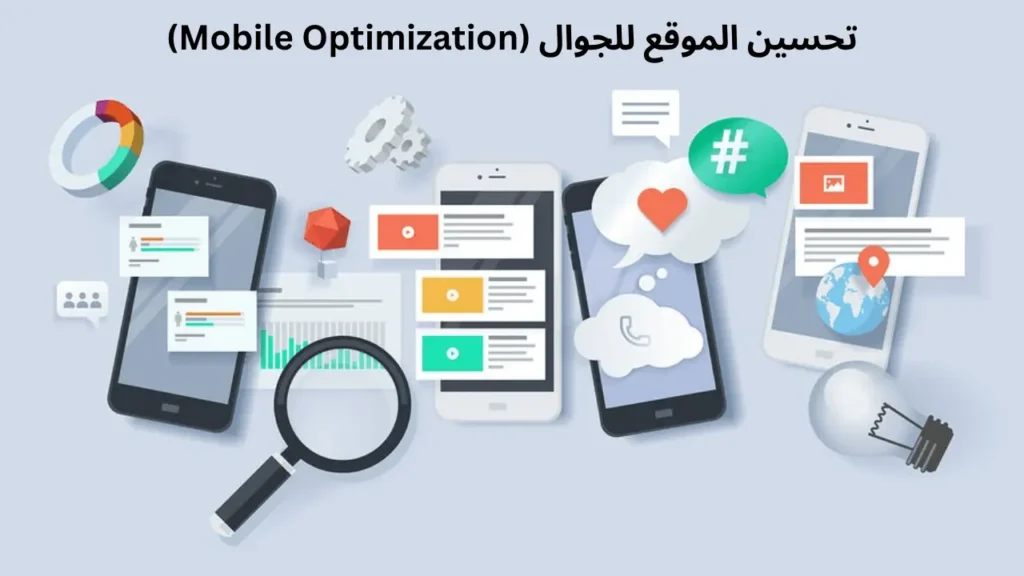
Mobile website optimization is the process of making a website fast, responsive, and effortless to use on smartphones and tablets. It focuses on delivering a smooth browsing experience by improving web design, enhancing loading speed, and ensuring touch-friendly navigation. This process also includes refining layout, readability, and overall user experience (UX) so visitors can easily explore, interact, and take action on any mobile device. In 2025, a strong online presence begins with mobile website optimization. As more than 62.45% of all global web traffic now comes from smartphones and tablets, compared to just 35.71% on desktops, businesses that fail to deliver a mobile-friendly website design risk falling behind their competitors. Today’s users expect speed, simplicity, and seamless browsing — and if your site doesn’t deliver, they’ll leave in seconds. That’s where responsive web design comes in. By ensuring your website automatically adjusts to any screen size, you create a smooth, touch-friendly experience with faster loading times, clear navigation, and easier content readability. With Google’s mobile-first indexing, your mobile version is now the primary benchmark for search rankings — meaning a poorly optimized mobile site can push you down in search results, no matter how good your desktop version looks. In this guide, you’ll discover everything you need to know about mobile website optimization in 2025 — from why it’s crucial for SEO and conversions to practical strategies, tools, and techniques to build a mobile-friendly website that ranks higher, loads faster, and keeps visitors engaged. What is meant by optimising your website for mobile users? Optimizing your website for mobile users means designing and developing your site so it works seamlessly on smartphones and tablets simply saying improving the mobile site performance. It involves creating a mobile-friendly website design with a responsive web layout that automatically adjusts to any screen size, ensuring faster load times, easy navigation, and readable content. An optimized mobile website ensures seamless browsing, keeps visitors engaged by lowering bounce rates, and boosts visibility in search engine results. Since Google’s mobile-first indexing now prioritizes the mobile version of your site for ranking, mobile website optimization is no longer optional — it’s essential for driving traffic, engagement, and conversions in 2025. In simple words, it’s about improving your mobile site’s performance to deliver a better user experience and meet Google’s mobile-first indexing standards, helping your site rank higher and convert more visitors. Why Mobile Optimization is Crucial in 2025 In 2025, mobile website optimization isn’t just a ranking factor — it’s the foundation of online success. With over 62.45% of global web traffic now coming from smartphones and tablets, users expect fast, seamless, and mobile-friendly website designs. If your site doesn’t deliver, they leave — increasing bounce rates and hurting conversions. What makes it even more critical is Google’s mobile-first indexing. In 2025, your mobile version decides your search rankings. A flawless desktop site won’t matter if your mobile experience is poor — you’ll still rank lower in Google search results. Key benefits include: Key mobile optimization factors include: By prioritizing mobile-friendly website design, you improve SEO rankings, user engagement, and conversion rates. In a mobile-dominated world, optimizing for mobile isn’t optional — it’s the key to staying competitive in 2025 and beyond. Mobile Bounce Rate Reduction Reducing mobile bounce rate means keeping visitors engaged by delivering a fast, smooth, and user-friendly experience on smartphones and tablets. Key strategies include: A well-optimized, mobile-friendly website design lowers bounce rates, boosts engagement, and improves Google rankings. How Mobile Optimization Affects Google Rankings in 2025 ? Is it a ranking factor Yes — mobile optimization is a confirmed Google ranking factor. Google’s shift to mobile-first indexing means rankings are based mainly on how your site performs on mobile devices. If your site isn’t optimized for mobile, it can negatively impact search visibility, even if your desktop version performs well. Higher Priority in Google Rankings: Google now prioritizes websites in search results based on their mobile user experience. With mobile-first indexing, Google primarily evaluates the mobile version of a site to determine its ranking position on SERPs. A site that loads quickly, displays correctly, and offers smooth navigation on mobile devices is more likely to achieve higher visibility and better rankings. 1. Mobile-First Indexing Since 2020, Google has fully transitioned to mobile-first indexing. In 2025, this means: 2. Core Web Vitals and Page Experience Mobile optimization directly impacts Core Web Vitals, which are part of Google’s Page Experience signals: Websites that meet Core Web Vitals thresholds on mobile enjoy higher visibility and better rankings. 3. Bounce Rate and Engagement Signals If a website isn’t optimized for mobile, visitors are more likely to leave quickly due to slow load times, hard-to-read text, or difficult navigation. 4. Mobile SEO and Rich Results Google prioritizes mobile-friendly pages when showing AI Overviews, featured snippets, and rich results. Optimizing your site for mobile increases the chances of capturing position zero and driving more organic traffic. By 2025, optimizing for mobile isn’t just about rankings — it’s a core requirement for effective SEO. With mobile-first indexing, Core Web Vitals, and user experience signals, Google rewards websites that deliver fast, responsive, and mobile-friendly experiences. How to Find Out if Your Website Works Well on Mobile Devices To ensure your website provides a seamless experience for mobile users, it’s crucial to regularly check your mobile website performance. Here are some simple yet effective ways to do this: 1. Google Mobile-Friendly Test The Google Mobile-Friendly Test is a free tool that allows you to check how well your site performs on mobile devices. Just enter your URL, and Google will analyze the mobile usability of your site. It will show you any issues, such as text that’s too small or buttons that are hard to tap, which may affect the user experience. 2. Page Speed Insights Page Speed Insights is another Google tool that not only checks the loading speed of your site but also evaluates its mobile-friendliness. Since mobile users tend to leave websites that take too long to load,
سيو العادي ولا المحلي؟ أيهم أحسن لنشاطك التجاري؟
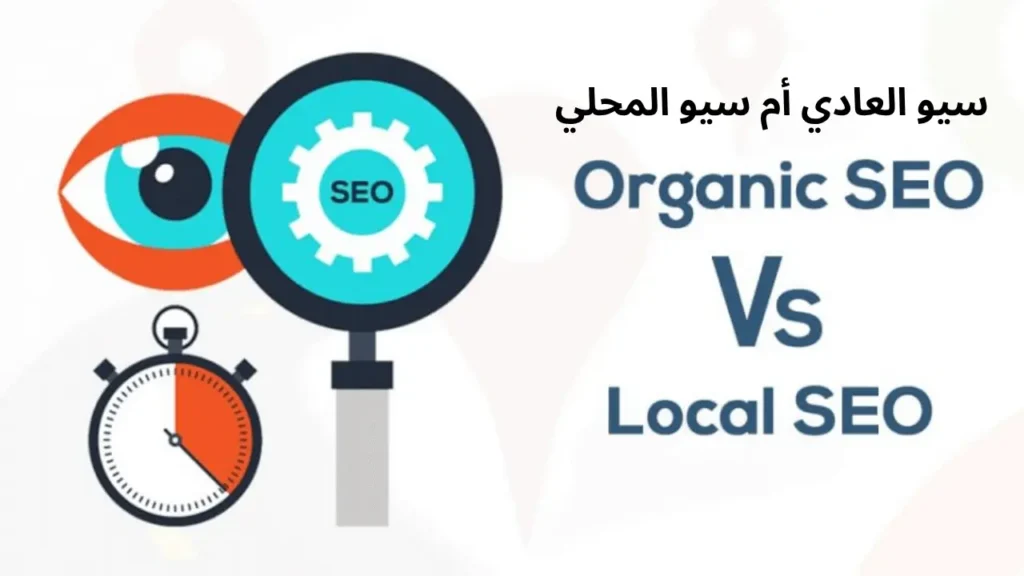
Search Engine Optimization (SEO) is key to improving your business’s presence online. It’s the process of making changes to your website so it appears higher in search engine results, helping more people find your products or services. No matter what kind of business you have, SEO is important for getting noticed and bringing more visitors to your site. But businesses have to choose between two main types of SEO: local SEO and traditional SEO (National SEO). The right choice depends on who you want to reach. Local SEO is aimed at attracting customers from a specific area, like a neighborhood or city. It’s perfect for businesses that rely on local customers, like restaurants, hair salons, or stores. Traditional SEO, on the other hand, targets a wider audience with no specific location in mind. It’s best for businesses that sell products or services across the country or even worldwide. This article will help businesses understand the differences between local and traditional SEO, and guide you in choosing the best option for your needs. Whether your business focuses on local customers or operates on a bigger scale, knowing the differences will help you reach the right people online. What is Traditional SEO? Traditional SEO or organic SEO is the process of improving your website to rank higher in search engine results for a wide range of keywords, without focusing on any specific location. It’s about making your website visible to a large audience, whether they are local, national, or global. Unlike local SEO, which targets people in a particular area, traditional SEO aims to reach as many people as possible who are searching for terms related to your business. The goal is to get your website noticed by anyone interested in your products or services, no matter where they are located. Traditional SEO Strategies: The first step in national SEO is finding the right keywords. This means figuring out what words or phrases people are searching for that relate to your business. You can choose short tail keywords (general terms like “shoes” or “restaurants”) or long tail keywords (more specific phrases like “best running shoes for women” or “Italian restaurants in Chicago”). Using both types of keywords can help your website appear in a wide variety of search results. Pros of Traditional SEO: Cons of Traditional SEO: What is Local SEO? Local SEO is the process of making your website rank higher in search results for people who are looking for services or products in a specific area. For example, when people search for terms like “best coffee shop near me” or “plumbers in Riyadh,” they are looking for businesses close to them. Local SEO helps these businesses show up when people search for things in their area. Unlike regular SEO, which focuses on attracting visitors from anywhere, local SEO is all about targeting people near your business. Local SEO strategies: Google My Business (GMB) is a key tool for improving local SEO. It’s a free listing that appears on Google search results and on Google Maps. By claiming and updating your GMB listing, you can ensure that your business shows up when people search locally. Make sure to add your correct address, phone number, business hours, and photos. The more complete and accurate your profile is, the more likely you are to show up in Google’s Local Pack, which is the group of businesses that appear at the top of local search results. Pros of Local SEO: Cons of Local SEO: Is Local SEO More Effective than Traditional SEO? It depends on your business goals. Local SEO = faster and more affordable for local customers. Traditional SEO = bigger reach and long-term growth. How Can a Business Rank for Both Local and National Keywords? Many companies want to be visible not only in their own city but also across the country. The great thing is, you don’t need to choose one over the other with the right strategy, you can rank for both at the same time. Best Practices 1. Separate Pages for Each Audience 2. Mix Local and National Keywords 3. Optimize Your Google Business Profile 4. Content for Both Markets 5. Build a Diverse Backlink Profile Takeaway: Consider local SEO and national SEO as strategies that work together. By balancing local relevance with national authority, your business can appear in both local map packs and organic national search results. Main Differences Between Local SEO and Organic SEO 1. Target Audience: The main difference between local SEO and organic SEO is the audience they focus on, Local SEO is all about helping businesses get noticed by people in a specific area. It’s for businesses that want to appear when someone searches for a service or product nearby. For example, someone searching for “best pizza in [city name]” is looking for pizza shops close to them. Local SEO helps businesses show up in these searches, making them visible to local customers. Organic SEO, on the other hand, targets a much broader audience. It works for businesses that want to attract visitors from all over the world, not just a specific area. It bring organic traffic without spending even a penny. This type of SEO focuses on improving your website’s visibility for general search terms, like “best pizza” or “top restaurants,” where the searcher’s location isn’t as important. It’s meant to help businesses that have a wider reach or an online presence. 2. Ranking Factors: The factors that determine how well a website ranks are different for local SEO and traditional SEO. So, while Organic or traditional SEO aims to make your website more authoritative globally, local SEO focuses on making your business visible to local customers. 3. Time to Results: Another difference between the two is how long it takes to see results. If you need quicker results, local SEO is the way to go, but traditional SEO may take more time to reach the top of global search results. 4. Search Results & Features: The way both types of
كيف تخلّي مقالاتك تطلع أول في جوجل باستخدام سيو داخل الصفحة
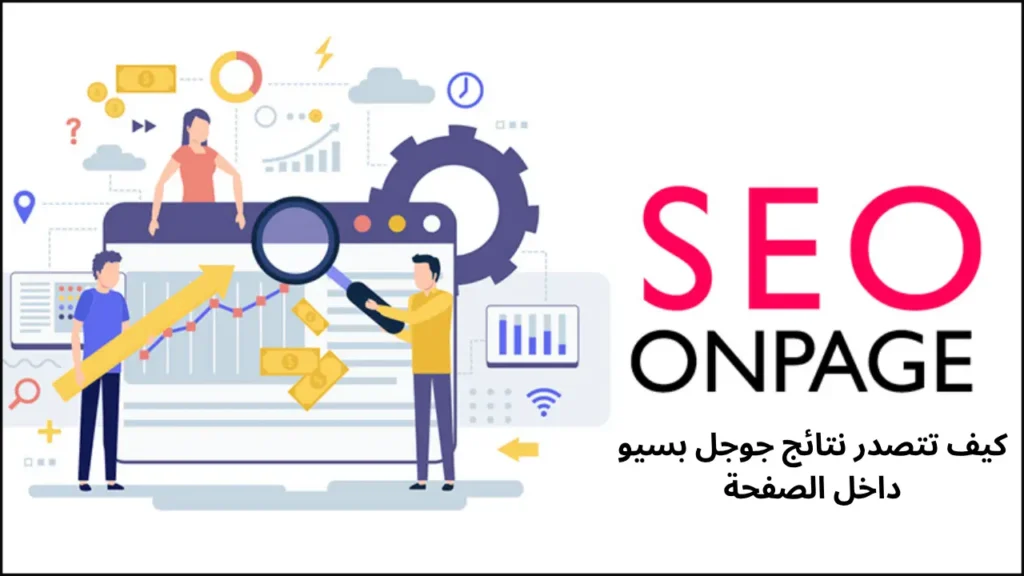
If you’re struggling to rank your blog posts in 2025, you’re not alone. Every single day, millions of blogs go live, but only a few make it to Google’s first page. The difference? It’s not always about writing more content — it’s about optimizing it the right way. That’s where on-page SEO comes in. In 2025, Google places strong emphasis on EEAT (Experience, Expertise, Authoritativeness, and Trustworthiness) along with AI Overviews. To achieve faster rankings, focusing on featured snippets and semantic keywords has become essential. Think of it as giving search engines and readers exactly what they need. By applying smart blog SEO strategies and learning how to optimize blog content properly, you can improve blog rankings without spending thousands on ads or tools. Simple on-page SEO techniques — like refining your headings, structuring your URLs, improving readability, and adding internal links — can completely transform the way your blog performs. In this updated guide, I’ll walk you through proven methods to make your content more discoverable, boost organic traffic, and even get your blog featured in AI Overviews and featured snippets. If you’ve been wondering why your posts aren’t ranking yet, this is the starting point you need. Let’s dive in! What is On-Page SEO? On-page SEO is the process of optimizing your blog post to make it easier for search engines like Google to understand and rank and attract more organic traffic. On-page SEO helps Google understand your blog using optimized titles, keywords, headings, and internal links — boosting your rankings fast. It involves improving various elements within your content, such as headings, keywords, images, and internal links, to make your post more relevant and user-friendly. When done right, on-page SEO helps boost your visibility, making it easier for people to find your blog through search engines. Why is On-Page SEO Important? By applying smart on-page SEO strategies, you not only improve your chances of ranking higher but also create valuable content that readers enjoy. What Is the Fastest Way to Improve Blog Rankings? The fastest way to improve blog rankings is to target low-competition, long-tail keywords and optimize your on-page SEO. Place the keyword in the title, URL, first paragraph, and subheadings, then strengthen the post with internal links and fast-loading design. Updating old posts with fresh content and earning a few quality backlinks can accelerate visibility in weeks instead of months. Does Classic On-Page SEO Still Matter in 2025? yes—more than ever. The fundamentals of on-page SEO still do the heavy lifting that helps search engines parse your page and match it to intent. Titles, meta descriptions, clean H1/H2 structure, smart keyword placement, internal linking, and descriptive URLs remain the “machine-readable” signals that make your content understandable and rankable. It works best paired with great UX: fast loads, mobile-friendly design, readable formatting, and trustworthy signals. Do the basics right, then layer depth, schema, and intent. Why it still matters (and how it’s evolved) What no longer works Quick checklist to apply now Add lightweight visuals (WebP) with meaningful alt text. Write a specific title and compelling meta (problem → promise). Use a single H1; break sections with clear H2/H3. Introduce the main query early; sprinkle related terms naturally. Add FAQ or a 40–60-word answer box near the top for snippet/AI pickup. Link to 2–4 relevant internal pages with descriptive anchors. What Happens Without On-Page SEO? Without on-page SEO, blog posts often fail to rank on search engines, get little or no organic traffic, and remain invisible to the right audience. Poor optimization leads to weak keyword targeting, high bounce rates, and low click-through rates, making it almost impossible for your content to compete with well-optimized pages. Before SEO vs After SEO Results Factor Before On-Page SEO Optimization After On-Page SEO Optimization Organic Traffic Very low (few clicks per week) Noticeable growth (steady daily visitors) Keyword Rankings Not showing in top 100 results Ranking on page 1–2 for target keywords Click-Through Rate Poor, due to weak titles & metas Higher CTR from optimized titles & meta descriptions User Engagement High bounce rate, short session time Lower bounce rate, longer session time Content Visibility Blog posts buried under competitors Posts appearing in featured snippets & AI overviews Internal Linking Few or no interlinked posts Strong internal network improving crawlability Conversions/Leads Minimal conversions Better leads, newsletter sign-ups, or sales In short, proper on-page SEO can turn a blog from being invisible to becoming a steady source of traffic, engagement, and conversions. How Do I Rank My Blog Posts Quickly on Google? To rank blog posts quickly on Google, focus on strong on-page SEO: choose low-competition keywords, place them strategically (title, URL, headings, intro), and write high-quality content that answers search intent. Add internal links, optimize images, and ensure fast loading. Promoting the post through backlinks and social sharing speeds up indexing and visibility. Steps to Optimize a Blog Post for SEO Optimizing a blog post for search engines isn’t just about adding keywords—it’s about making your content user-friendly, structured, and easy for Google to understand. Below are the proven steps and strategies you can follow to improve your blog’s visibility, boost rankings, and attract consistent organic traffic. Step 1: Smart Keyword Research for Faster Rankings (2025 Edition) Before you start writing, the first and most important step is finding the right keywords. In 2025, SEO is no longer about targeting as many phrases as possible; it’s about understanding search intent and creating content that answers user queries comprehensively. The keywords you choose will determine whether your blog post ranks on the first page or gets lost in the crowd. To rank your blog posts faster in 2025, focus on long-tail, intent-driven keywords using tools like Google Keyword Planner, AnswerThePublic, and Ahrefs. Combine your main keyword with related supporting terms to build semantic authority and improve visibility in AI Overviews. Why Keyword Research Matters in 2025 With the rise of AI Overviews and semantic search, Google focuses more on topic relevance, user intent, and content depth. Targeting the wrong
الدليل البسيط للإعلان المدفوع (PPC): طرق ونصايح تفيدك في 2025
Paid Search Advertising (PPC) in 2025 is the practice of promoting your business through paid ads that appear on search engines like Google and Bing. It works on a pay-per-click model, where you pay only when someone clicks your ad. A significant 2019 study revealed that 75% of people believe paid search ads help them easily find the information they are looking for online. Pay-per-click marketing (PPC) has never been more exciting (or more challenging) than it is in 2025. In this walk-through you’ll discover: exactly what paid search is, how to build campaigns that make a real impact, smart paid search strategies for businesses of all sizes, how to measure and boost performance in both Google Ads and Bing Ads, and what trends are reshaping the game right now. By the end you’ll have a clear roadmap, practical tips you can act on today, and a mindset that’ll keep you ahead as the landscape continues to shift. Imagine you and I sitting down with a cup of tea, talking about how ads pop up in search when you type something in Google—and someone clicks because it speaks to what they need right then. That’s the power behind PPC advertising trends 2025. Right now, global search-ad spending is projected to hit about $351.6 billion this year, showing just how serious businesses are about winning those clicks. You might be wondering: “What’s changed?” or “How do I set up a campaign that doesn’t just waste money?” Good questions. We’ll cover both. We’ll explore what top-performing brands are doing differently, why some campaigns flop and others soar, and how you can use clear, simple tactics (not jargon) to succeed. We’ll also take a friendly look at how to keep your budget smart, how to pick keywords that matter, and what metrics you should watch. Whether you’re just starting out or you’ve run a few campaigns before, this guide is designed to talk to you—no fluff, no complicated theory, just human-to-human advice. Ready to dive into the world of paid search and make it work for you? Let’s go. What is Paid Search in 2025? Paid search is a popular way businesses get noticed online by showing their ads right where people are searching—on search engines like Google and Bing. Think of it like a digital auction: companies pick specific words or phrases their potential customers might type in, and then compete for those spots by placing bids. When someone clicks the ad, the advertiser pays a fee—that’s why it’s often called pay-per-click, or PPC. What makes paid search really powerful today is its ability to connect businesses with people who are actively looking for what they offer. Instead of shouting out to everyone, ads appear just to those ready to buy or learn more. This focus helps businesses get better results with their advertising budget. In 2025, paid search is more competitive and smarter than ever. The total spend worldwide on search ads is expected to reach over $350 billion, showing how critical this channel remains. Google Ads leads the market, but Bing Ads and other platforms like Amazon Search are growing fast, making it easier for advertisers to reach diverse audiences. With costs rising—average cost per click for many industries has increased by more than 40% recently—advertisers need to be savvy in choosing the right keywords, crafting relevant ads, and creating seamless user experiences through tailored landing pages. The best results come when ads answer specific user questions and solve problems in the moment they search. Paid search also adapts to privacy rules and technology changes, using more automation and first-party data to keep ads effective and personal without compromising user trust. Because of these features, paid search remains a go-to strategy for businesses big and small aiming for measurable growth in 2025. How to start paid search adverising Starting paid search advertising effectively requires a clear strategy focused on goals, audience targeting, and continuous optimization. First, define specific objectives such as increasing website traffic, generating leads, or boosting sales. Choose the appropriate platform, with Google Ads being the most widely used due to its large reach and targeting flexibility. Research and select relevant keywords that potential customers are searching for, balancing search volume with competition to optimize ad spend. Set a realistic budget and bidding strategy aligned with campaign goals, focusing your resources on high-intent keywords. Craft compelling, clear ad copy that speaks directly to user needs and encourages action. Ensure landing pages are relevant and designed to convert visitors by aligning content and calls to action with ads. Monitor campaign performance regularly using metrics like click-through rates, conversion rates, and cost per acquisition, and make data-driven adjustments to improve results. Paid search advertising success comes from ongoing testing, learning, and refining campaigns for maximum return on investment. Is ppc still effective and can generate results in 2025 PPC (pay-per-click) advertising is still highly effective and capable of generating strong results in 2025. It remains one of the fastest ways to drive targeted traffic and conversions compared to organic search, with businesses earning on average $2 in revenue for every $1 spent on Google Ads. PPC also offers measurable ROI, strong targeting capabilities, and budget control flexibility. Key trends shaping PPC effectiveness in 2025 include: Adapting by embracing AI tools, refining audience targeting, and optimizing landing pages are crucial for businesses to maintain PPC performance in 2025. In summary, PPC remains an essential and effective digital marketing channel in 2025, especially for those who embrace automation and data-driven strategies to drive measurable growth and conversions. what are major ppc platforms PPC advertising is a vital digital marketing tool that enables businesses to reach highly targeted audiences and drive fast, measurable results. Various platforms specialize in different audiences and ad formats, allowing advertisers to strategically allocate their budget for maximum effectiveness. The major PPC platforms in 2025 include the following: These platforms vary by audience type, ad format, and budget suitability, providing diverse options for PPC advertising strategies in 2025.
وش يعني وايت ليبل لإعلانات جوجل؟ شرح بسيط ومفصل لعام 2025
التسويق الرقمي يتغير بسرعة التسويق الرقمي صار يتطور بشكل سريع، والشركات دايم تدور على طرق جديدة تكبر فيها بدون ما تزيد التكاليف. ومن الحلول الذكية اللي انتشرت بشكل كبير هي خدمة “الوايت ليبل” للإعلانات المدفوعة (PPC). وش يعني وايت ليبل PPC؟ خدمة الوايت ليبل تعني إنك تقدر تقدم خدمات إعلانات مدفوعة لعملائك تحت اسم شركتك، لكن اللي يسوي الشغل فعليًا هم ناس مختصين خارجيين. يعني أنت ما تحتاج توظف فريق خاص، وتقدر تركز على علاقتك مع العميل وتخلي باقي الشغل على الخبراء. كيف تشتغل خدمة الوايت ليبل؟ أنت كشركة أو فريلانسر، تجيب عملاء يبغون يعلنون أونلاين، وتتفق مع شركة متخصصة في إدارة الحملات الإعلانية. هم يهتمون بكل التفاصيل: يختارون الكلمات الصح، يصممون الإعلانات، يحددون الأسعار المناسبة، ويراقبون الأداء أول بأول. وفي النهاية يعطونك تقارير واضحة ترسلها لعميلك وكأن الشغل كله طالع من عندك. ليش كثير يستخدمون وايت ليبل في 2025؟ مع دخول سنة 2025، صار تشغيل حملات PPC أصعب من قبل، والمنافسة زادت والمنصات تتغير باستمرار. فصار ضروري تعتمد على ناس فاهمين عشان تطلع بنتايج قوية. سواء كنت تدير وكالة تسويق، أو تشتغل لحالك، أو عندك بزنس تبغى تطوره، فهمك لها لخدمة راح يفيدك كثير. كل اللي تحتاج تعرفه عن خدمة الوايت ليبل للاعلانات الممولة في 2025 هالشرح بيوريك كل شي عن الخدمة – شلون تشتغل، وش ميزاتها، وش التحديات اللي ممكن تواجهك، وكيف تقدر تقدّمها بطريقة تنجح فيها من أول. الهدف إنك تأخذ قرارات صح وتنمي شغلك بدون ما تدخل في تفاصيل تقنية كثيرة. كيف تشتغل خدمة وايت ليبل PPC الطريقة بسيطة. أنت تجيب عملاء يبغون يسوون إعلانات مدفوعة، وتقدم لهم الخدمة باسم شركتك. بدل ما تسوي كل الشغل بنفسك، تتعاون مع ناس مختصين يسوون الشغل عنك. هم يهتمون بكل شي: يختارون الكلمات المفتاحية، يكتبون الإعلانات، يتحكمون في العروض (bids)، ويعدّلون الحملة حسب النتائج. بعدين يعطونك تقارير واضحة تبين كيف الإعلانات شغالة، وانت ترسلها لعميلك كأنها من شركتك. وكل هالشي وانت محافظ على اسمك، تسعيرة، وعلاقتك مع العميل. هالطريقة تخليك تقدم خدمة إعلانات مميزة، بدون ما تضيع وقتك في الأمور الصغيرة اللي تأخذ منك جهد كبير. دور الوكالات والمسوّقين (الريسيلرز) الوكالات اللي تشتغل بنظام الوايت ليبل ترتاح من همّ التوظيف والتدريب، وتفضى تركز على توسعة شغلها. يسلمون المهام الناس عارفين السوق، ومواكبة كل جديد يصير في محركات البحث. حتى الريسيلر (المسوّقين اللي يبيعون خدمات غيرهم) يستفيدون، لأنهم يقدرون يقدمون خدمة إعلانات قوية بدون ما يكون عندهم خبرة تقنية عميقة. يبيعون الخدمة تحت اسمهم، يحددون أسعارهم، ويتواصلون مع العملاء بشكل مباشر. النظام هذا يخلي الشغل أسهل، مرتب، ويعطي نتائج ممتازة سواء للوكالات أو المسوّقين مميزات خدمة وايت ليبل PPC توفير التكاليف توظيف فريق داخلي للإعلانات مكلف جدًا، من رواتب وتدريب وغيره. لكن مع وايت ليبل، تدفع بس مقابل الخدمة وتريح بالك من التوظيف والرواتب. توسع أسهل إذا شغلك كبر وصار عندك عملاء أكثر، تقدر تكبر خدماتك بسهولة. المزود الخارجي يقدر يتعامل مع عدد كبير من الحملات، وانت تركز على إدارة العملاء. ناس فاهمين يديرون الحملات شركات الوايت ليبل فيها ناس متخصصين في الإعلانات، يعرفون التحديثات الجديدة ويشتغلون بأفضل الطرق. يعني عميلك يأخذ خدمة احترافية وأنت ما تحتاج تتعلم كل التفاصيل بنفسك. تركّز على نمو شغلك خل عنك دوامة متابعة كل إعلان لحالك، وخلك على الأهم: كيف تكبر مشروعك، توصل للناس الصح، وتخلي اسمك يمشي لحاله في السوق. توفر وقتك إدارة الحملات تآخذ وقت كثير، وتحتاج متابعة دايمة. يوم توكّل الشغل لناس يعرفون شغلهم، تريح بالك وتقدر تركز على الأشياء اللي فعلاً تفرق معك وتطوّر مشروعك. مين اللي يناسبه يستخدم خدمة وايت ليبل PPC؟ 1. وكالات التسويق الرقمي الوكالات اللي تبغى تقدم خدمات إعلانات مدفوعة بدون ما يكون عندهم فريق خاص، يقدرون يستفيدون كثير من خدمة الوايت ليبل. 2. شركات السيو اللي تبغى توسع خدماتها شركات تحسين محركات البحث (SEO) تقدر تضيف خدمة الإعلانات وتقدّم حلول تسويقية متكاملة لعملائها. 3. المشاريع الصغيرة اللي ما عندها موارد كافية الشركات الصغيرة أو الجديدة، حتى لو ما عندها خبرة أو فريق، تقدر تستفيد من الوايت ليبل وتكون قد المنافسة مع الشركات الكبيرة. 4. الفريلانسرز اللي يبغون يكبرون شغلهم الناس اللي يشتغلون لحالهم في التسويق الرقمي، يقدرون يوسّعون خدماتهم عن طريق الوايت ليبل بدون ما يدخلون في تعب إدارة الحملات. التحديات الشائعة في وايت ليبل PPC وحلولها مشاكل في التواصل أحيانًا يكون صعب تتابع كل شي إذا كان اللي يدير الحملة طرف ثالث. ممكن تصير تأخيرات أو لخبطة في التحديثات. الحل؟ سوّ نظام بسيط للتقارير وتحديثات مستمرة بينك وبين المزود والعميل، عشان الكل يكون عارف كل جديد وكل خطوة تصير. اختلاف جودة الشغل مو كل المزودين عندهم نفس الخبرة، وممكن يختلف مستوى الخدمة. عشان تتجنب المشاكل، اختار شركة لها سمعة طيبة ونتايج واضحة. واتفقوا من البداية على كل التفاصيل والجودة اللي تبغاها. توقعات العملاء العالية بعض العملاء يبغون نتائج سريعة، بس الحقيقة إن الحملات تحتاج وقت عشان تنجح. من البداية، كن صريح معهم وقل لهم إن النجاح ما يجي بسرعة، لكن مع كل تعديل للحملة بتشوفون تحسن تدريجي في النتائج. هالوضوح يخلي العميل يثق فيك أكثر. كيف تختار مزوّد وايت ليبل مناسب؟ أشياء لازم تركز عليها: الخبرة والفهم دور على مزود عنده تجارب كثيرة وشغال مع مجالات مختلفة، ويقدر يوريك نتايج حقيقية. خبرتهم بتفيدك في نجاح الحملات. تقارير واضحة لازم يعطيك تقارير مفصلة تبين كل شي. تبي تعرف وش شغال صح، ووش يحتاج تعديل. التقارير الشفافة تساعدك تاخذ قرارات ذكية. تخصيص الخدمة حسب العميل كل عميل له هدف مختلف. المزود الجيد يعدّل الحملات حسب كل حالة، مو يشتغل على طريقة وحدة لكل الناس. طريقة التسعير تأكّد من إن الأسعار تناسب ميزانيتك. بعضهم ياخذون مبلغ ثابت، وبعضهم حسب الأداء. افهم وش بتدفع عليه، وتأكد إنك ما تخسر. إشارات تحذيرية (خلك منتبه) التواصل السيء إذا المزود ما يتواصل معك بشكل واضح أو دايم يتأخر، هذا بيسبب مشاكل في الشغل. لازم يكون فيه تواصل منتظم وشخص مسؤول تقدر ترجع له. ما فيه أرقام أو نتايج لو ما يعطيك أرقام واضحة مثل نسبة النقرات أو عدد التحويلات، صعب تعرف إذا الحملة ناجحة. بدون أرقام، ما تقدر تقيّم الشغل صح. ما عنده خطة واضحة إذا المزود ما يشرح لك وش الخطة اللي بيشتغل عليها، أو ما عنده طريقة واضحة للتعامل مع الحملات، خلك حذر. لازم يكون فيه خطة مرتبة عشان تنجح. اتجاهات وايت ليبل PPC في 2025 أدوات ذكية وتلقائية في 2025، كثير من الشركات اللي تقدم خدمة وايت ليبل صاروا يستخدمون أدوات أوتوماتيكية تساعدهم يشتغلون أسرع وأذكى. الأدوات
ما هو الباك لينك؟ دليل كامل للأنواع والفوائد والتأثير الحقيقي على تحسين محركات البحث في 2025
الباك لينك هو أساس ترتيب مواقع البحث وأحد أقوى الإشارات التي تستخدمها جوجل لتقييم مصداقية المواقع. المواقع التي تمتلك ملف باك لينك قوي وعالي الجودة غالبًا ما تحتل مراتب أعلى، وتجذب زيارات أكثر، وتحقق ظهورًا أكبر. أظهرت الدراسات الحديثة في 2025 أن المواقع التي تحتوي على 50 رابطًا خلفيًا على الأقل من مصادر موثوقة تكون أكثر احتمالًا للظهور في الصفحة الأولى من نتائج بحث جوجل بمعدل 3.5 مرة. في هذا الدليل الشامل، سنشرح ليس فقط ما هو الباك لينك، بل أيضًا الأنواع المختلفة من الباك لينك — من روابط DoFollow و NoFollow حتى الروابط التحريرية، روابط الضيوف، والروابط السياقية. لكل نوع دور واضح في تعزيز سلطة النطاق، سلطة الصفحة، وأداء تحسين محركات البحث بشكل عام. فهم هذه الفروقات مهم لبناء ملف باك لينك طبيعي وذي قيمة تحظى بثقة محركات البحث. سنوضح أيضًا تأثير الروابط الداخلية مقابل الخارجية، كيف يؤثر نص الرابط على الترتيب، وما هي مخاطر الروابط الرديئة أو المزعجة. في 2025، الباك لينك ليس خيارًا بل استثمارًا استراتيجيًا يؤثر مباشرة على نمو الزيارات، مصداقية الموقع، وظهوره في نتائج البحث. بنهاية هذا الشرح، سيكون لديك رؤية واضحة عن كيفية عمل الباك لينك، أنواع الروابط التي تحمل وزنًا أكبر، ونصائح عملية لبناء استراتيجية روابط قوية. هذا المقال يجمع معلومات مدعومة بالبيانات، أمثلة واضحة، وفهم تدريجي للباك لينك، مع سهولة الوصول للمبتدئين والمحترفين على حد سواء.] SEO بدون روابط خلفية: كيف تحقق ترتيباً عالياً في 2025 يتساءل الكثير من أصحاب المواقع والمسوقين عن إمكانية نجاح تحسين محركات البحث (SEO) بدون استخدام الروابط الخلفية. الجواب المباشر هو نعم—لكن ذلك يتطلب التركيز على جودة المحتوى، الكفاءة التقنية، وتجربة المستخدم. مع تطور أنظمة الذكاء الاصطناعي لجوجل التي تؤثر على نتائج البحث، أصبح تقديم قيمة حقيقية للمستخدمين أكثر أهمية من أي وقت مضى. لماذا تظل الروابط الخلفية مفيدة وليست إجبارية عادةً ما كانت الروابط الخلفية دليلاً على السلطة والمصداقية. ومع ذلك، في عام 2025، تفضل نماذج الذكاء الاصطناعي لجوجل المحتوى الواضح والشامل والموجه للمستخدم. تعني SEO الجيدة اليوم إنشاء محتوى يجيب مباشرة عن الأسئلة، ويوفر رؤى فريدة، ويقدم تجربة سلسة—وهي عوامل يفسرها الذكاء الاصطناعي كدلائل على الثقة، حتى بدون وجود الكثير من الروابط الخلفية. كيف تحسن SEO بدون روابط خلفية لماذا يعمل هذا في 2025 تحليل نماذج الذكاء الاصطناعي مثل Gemini 2.0 لجوجل مدى صلة المحتوى وشموليته وإشارات رضا المستخدمين بدلاً من الاعتماد فقط على الروابط الخلفية. من خلال إعطاء الأولوية للمحتوى المفيد والمنظم جيداً، يمكنك تحقيق ترتيبات عالية وحتى الحصول على المقتطفات المميزة — وهي مواقع يفضلها الذكاء الاصطناعي لجوجل لتقديم إجابات سريعة وموثوقة. ما هي الروابط الخلفية؟ الروابط الخلفية هي روابط من موقع ويب إلى آخر، تشبه توصية من موقع إلى موقعك. عندما يربط موقع ما بصفحتك، فإن ذلك يعد إشارة لمحركات البحث إلى أن محتواك ذو قيمة وجدير بالثقة. تخيلها كأصوات ثقة — كل رابط خلفي يخبر جوجل أن موقعك يحتوي على معلومات مفيدة تستحق المشاركة. هذا يساعد على تحسين ترتيب موقعك في نتائج البحث ويجلب الزوار مباشرة من مواقع أخرى. ببساطة، الروابط الخلفية تدفع الزيارات وتؤسس مصداقية موقعك في أعين المستخدمين ومحركات البحث. فوائد الروابط الخلفية في SEO تعزز الروابط الخلفية تحسين محركات البحث من خلال إرسال إشارات الثقة والسلطة إلى محركات البحث، مما يساعد المواقع على الحصول على ترتيب أعلى وجذب المزيد من الزيارات العضوية. تظل الروابط الخلفية عاملاً رئيسياً في التصنيف في 2025. تُظهر البيانات أن نتائج جوجل الأعلى تمتلك في المتوسط 3.8 مرات روابط خلفية أكثر، ويتفق 93.8% من خبراء تحسين محركات البحث أن جودة الروابط أهم من الكمية. الروابط عالية الجودة من مواقع موثوقة تزيد أيضًا من مصداقية العلامة التجارية وتجذب زيارات إحالة مستهدفة، مما يجعلها أولوية قصوى في استراتيجيات SEO الفعالة. كيف تعمل الروابط الخلفية في SEO تساعد الروابط الخلفية موقعك على جذب انتباه محركات البحث من خلال إظهار أن مواقع أخرى تجد محتواك مفيدًا وموثوقًا به. كل رابط خلفي يعمل توصية، ينقل السلطة ويساعد محركات البحث على فهم صلة موقعك وقيمته. كلما زادت الروابط الخلفية عالية الجودة من مواقع محترمة مرتبطة بموضوعك، زادت فرص ترتيب موقعك بشكل أفضل في نتائج البحث وجذب مزيد من الزوار. الأمر لا يتعلق فقط بعدد الروابط، بل بجودتها وسياقها الذي يجعل الروابط الخلفية إشارات قوية في تحسين محركات البحث. كيف تفسر محركات البحث الباك لينك تنظر محركات البحث الباك لينك على أنها أصوات ثقة تساعدها في تقدير مدى موثوقية وأهمية موقعك. تستخدم محركات البحث مفاهيم مثل قيمة الرابط أو “juice link”، مما يعني أنه عندما يرتبط موقع جيد بموقعك، فإنه ينقل جزءًا من سلطته، مما يجعل موقعك أقوى في ترتيب نتائج البحث.تعتبر جودة الرابط مهمة جدًا — الروابط القادمة من مواقع موثوقة وذات صلة تحمل وزنًا أكبر. كما تراقب محركات البحث إشارات الثقة من الروابط الخلفية، مثل مدى طبيعية هذه الروابط وتنوع مصادرها.الروابط الداخلية (روابط داخل موقعك الخاص) تساعد محركات البحث على فهم بنية موقعك وتوزيع السلطة عبر الصفحات، بينما تعزز الروابط الخارجية (من مواقع أخرى) سمعة موقعك بشكل عام.الروابط الخلفية الطبيعية، المكتسبة من خلال محتوى ذي قيمة وليس من خلال الشراء أو البريد المزعج، تخبر محركات البحث أن موقعك مفيد حقًا ويستحق الترتيب الأعلى.باختصار، تساعد الروابط الخلفية محركات البحث على تقييم مصداقية وصلابة موقعك، مما يوجهها لعرض صفحاتك للمستخدمين المناسبين في نتائج البحث. لماذا تهم الروابط الخلفية في تحسين محركات البحث تظل الروابط الخلفية عاملًا أساسيًا في تحسين محركات البحث في 2025 لأنها تؤثر بشكل كبير على ترتيب البحث، وسلطة الموقع، وحركة الإحالة.تشير البيانات الحديثة إلى أن أكثر من 90% من الصفحات الأعلى تصنيفًا في نتائج بحث جوجل تحتفظ بروابط خلفية من مواقع أخرى، مما يدل على دورها الحاسم في إشارات المصداقية والثقة لمحركات البحث.تساعد الروابط الخلفية محركات البحث على تحديد قيمة محتواك مقارنة بالمواقع الأخرى، مما يمكن أن يعزز ترتيبك وحركتك العضوية بشكل كبير.بالإضافة إلى ذلك، المواقع التي تحتوي على مجموعة متنوعة من الروابط الخلفية عالية الجودة تميل إلى امتلاك سلطة نطاق أقوى، مما يسهل عليها الحفاظ على ترتيبها وتحسينه في نتائج البحث التنافسية. باختصار، الروابط الخلفية ما تزال تؤثر بشكل قوي على وضوح موقعك ونمو حركة المرور وسمعته على الإنترنت في 2025. أنواع الباك لينك و الروابط الخلفية التي يجب أن يعرفها كل موقع تشمل الباك لينك و الروابط الخلفية المفضلة والأكثر قيمة في 2025 روابط DoFollow التي تنقل سلطة الرابط وتعزز قيمة موقعك؛ الروابط التحريرية التي تُكسب بشكل طبيعي من مواقع عالية السلطة وموثوقة؛ روابط الضيوف الناتجة عن تسويق المحتوى عالي الجودة؛ والروابط السياقية، الموضوعة بشكل
وش الطرق المختلفة للبحث عن الكلمات المفتاحية؟

Keyword research methods in 2025 involves using tools like Google Keyword Planner and AI-powered platforms to find relevant keywords, analyzing competitor keywords, focusing on user intent, and targeting long-tail and local keywords. Constantly updating your strategy based on data and trends is essential for SEO success. In 2025, keyword research isn’t just about finding popular terms — it’s about predicting user intent before Google’s AI does. With SGE, voice search, and zero-click results, the old tricks don’t cut it anymore. How to find keywords for SEO: Use SEO keyword research to identify what people search for, then analyze those terms with keyword research tools like Google Keyword Planner, SEMrush, or Ahrefs. Focus on long-tail queries and user intent to choose keywords that bring both traffic and conversions. Good keyword analysis helps you understand user intent, improve visibility, and attract qualified traffic. Whether you run a blog, an e-commerce store, or a business website, choosing the right keywords is what connects your content to the right people. In 2025, search term research is the foundation of every successful SEO strategy. Without it, even optimized content may fail to reach the right audience. Keyword ideas generation is the process of finding new keyword opportunities that your audience is searching for. It helps uncover topics, questions, and phrases you can target to improve your SEO and attract qualified traffic. There are many ways to approach this — from simple brainstorming to advanced keyword ideas tools like Google Keyword Planner, SEMrush, or Ahrefs. Each method gives you unique insights into search demand, competition, and opportunities. This guide explores how to find keywords step by step, covering traditional methods, advanced strategies, and the latest 2025 SEO trends like AI-generated answers (SGE), voice search, and zero-click results. By the end, you’ll know how to uncover the best keywords to boost your rankings and grow your business. What is a keyword ? A keyword is a word or phrase that people type into Google or other search engines when looking for information. For example, if someone wants to buy running shoes, they might search for “best running shoes for men. Types of Keywords Keyword Type Description Example Short-tail Broad, 1–2 words, high volume but competitive. “Shoes” Long-tail Specific, 3+ words, lower volume but higher intent. “Best running shoes for flat feet” LSI (Latent Semantic Indexing) Related terms that add context to main keywords. “Sneakers, footwear, sports shoes” Branded Keywords that include a brand name. “Nike shoes” Navigational Used when searching for a specific site/brand. “Amazon login” Informational Queries seeking knowledge, usually “what” or “how.” “What are running shoes?” Transactional Show buying intent with action words. “Buy Nike running shoes online” What is Keyword Research? Keyword research is the process of identifying and analyzing the search terms people use on search engines to find information, products, or services. It helps businesses understand audience intent and create content that ranks higher and drives qualified traffic. It helps website owners and marketers understand what their audience is looking for so they can create content that matches those searches. What Are the Basics of Keyword Research? Keyword research is the foundation of every successful SEO strategy. It’s the process of discovering the words and phrases people use when searching online for products, services, or information related to your business. The goal is to understand what your audience is searching for, how often, and why—so you can create content that meets their needs and ranks higher on Google. Core Elements of Keyword Research Understand why users search for a keyword — whether they want to learn something (informational), make a purchase (transactional), or find a specific site (navigational). Matching your content to the right intent is key to ranking. Use tools like Google Keyword Planner, Ahrefs, or SEMrush to check how many people search for a term each month and how difficult it is to rank for it. The best keywords balance high relevance with manageable competition. These are longer, more specific phrases like “best local SEO agency for small businesses.” They usually have lower competition and higher conversion rates because they target users closer to taking action. Choose keywords that directly align with your products, services, or expertise. Irrelevant keywords may bring traffic, but not conversions — and can hurt your site’s trust signals. Review the top-ranking pages for your target keywords. Identify what type of content (blogs, guides, videos) Google is rewarding — that’s a strong indicator of what searchers prefer. Organize related keywords into topic clusters. Each page should target one main keyword and several supporting terms to help Google understand your content’s depth and context. When did we need a keyword research Keyword research is needed whenever you want to create or optimize online content to make sure it matches what people are actually searching for. This helps improve your website’s visibility in search engines, attract relevant traffic, and increase chances of conversions. It’s especially important before launching a new website, starting a blog, planning marketing campaigns, or refreshing existing content. Why is Keyword Research Important for SEO and Digital Marketing? Keyword research is essential because it aligns what you publish with what people actually want. By evaluating intent, demand, difficulty, SERP features, and business value, you choose keywords you can win—and that matter commercially. The result is clearer topics, smarter site structure and internal linking, higher-quality traffic, and better conversions across SEO(Search Engine Optimization) and PPC(Pay Per Click). Choosing the right keywords makes it easier for a website to rank on search engines, bring in more visitors, and increase sales or leads. Without proper keyword analysis, businesses may struggle to get noticed online. To find keywords for SEO, start by brainstorming topics your audience cares about, then use Google Autocomplete, Related Searches, and competitor analysis tools like Ahrefs or SEMrush to discover opportunities. Check Google Keyword Planner, Google Trends, and Search Console for search volume and insights. Prioritize long-tail, conversational queries for easier ranking and higher conversions. Finally, filter keywords by search volume, difficulty, CPC, and
أفضل 11 خطوة لكتابة محتوى قوي ومميز
How to write high-quality content that ranks, builds trust, and truly helps your audience. Drawing on proven experience in content marketing and SEO, this guide breaks down 11 expert-backed steps — from in-depth research and keyword strategy to structure, optimization, and performance tracking. You’ll discover how to apply Google’s E-E-A-T principles to create content that demonstrates real experience, expertise, and authority while staying people-first. Perfect for bloggers, marketers, and business owners who want their content to perform better, convert readers, and stand out in a crowded digital world. Did you know that over 90% of online content gets no traffic from Google? The difference between what ranks — and what disappears — often comes down to one thing: quality. Creating highly-engaging content isn’t about writing more words; it’s about writing with purpose, precision, and people in mind. In today’s digital world, audiences expect content that is useful, clear, and trustworthy. A strong content strategy ensures your work delivers the right information in a simple, engaging way — while aligning perfectly with user intent. When readers find your content genuinely helpful, they’re more likely to stay longer, share it, and convert. Quality content builds credibility and improves SEO ranking, helping your brand stand out in crowded search results. Whether you’re writing blog posts, web pages, or social media content, focusing on value, accuracy, and readability is key. The best-performing brands online are those that consistently publish content that answers real questions, solves real problems, and connects with real people. If you’ve ever wondered how to write high-quality content that not only ranks on Google but truly connects with people — you’re in the right place. This blog post writing guide will walk you through every step of creating content that’s engaging, trustworthy, and SEO-friendly. In this guide, we’ll break down 11 proven steps to create high-quality, audience-focused content that ranks higher, engages deeper, and builds lasting trust with your readers. What Is High-Quality Content? High-quality content is information that provides real value to readers by answering their questions, solving their problems, or offering meaningful insights. It is well-researched, accurate, and written in a clear, organized, and engaging manner. Such content focuses on both user satisfaction and search visibility, balancing creativity with Search Engine Optimization (SEO) principles. It reflects expertise, originality, and trustworthiness while maintaining a natural tone that connects with the audience. In simple terms, high-quality content helps the reader and builds credibility for the writer or brand. What Makes Content Truly High-Quality (According to Experts) Creating high-quality content isn’t just about writing well — it’s about delivering real value that solves user problems better than anyone else. Google’s helpful content updates now emphasize Experience, Expertise, Authoritativeness, and Trustworthiness (E-E-A-T), meaning content must demonstrate credibility and genuine usefulness to rank and engage. According to Backlinko (2024), pages that thoroughly satisfy user intent are 70% more likely to reach the top three search results. Let’s break down what makes content genuinely high-quality today: 1. User Intent Comes First Every piece of high-quality content starts with understanding what the reader truly wants. If someone searches “best exercises to lose belly fat,” they expect a structured workout plan — not a vague list of fitness tips. Professional content creators begin by analyzing search intent (informational, transactional, or navigational) to make sure the answer fits the reader’s goal. When you align perfectly with user intent, your content earns trust, time, and rankings. 2. Deliver Exactly What Readers Need Great content is helpful and complete. It goes beyond surface-level answers and gives readers everything they need in one place. If someone searches “how to lose weight naturally,” the post should offer a full strategy — from diet and exercise to mindset — not just general advice. According to Google’s Search Quality Guidelines (2025), content that fully satisfies a query is more likely to be marked “helpful” and retained in top results. 3. Be Original and Insightful The internet is full of repetitive content. What separates high-quality content is fresh thinking — original insights, real data, or personal experiences. For example, instead of summarizing others’ research, add your own case studies, experiments, or opinions backed by credible sources. HubSpot’s 2024 data shows that content featuring unique perspectives generates 55% more backlinks and shares than generic articles. 4. Show Experience and Expertise Readers and algorithms both trust experts. When content is written by someone with hands-on experience, it instantly becomes more credible. For example, an SEO guide written by a certified digital marketer or a skincare blog authored by a dermatologist conveys clear expertise and trustworthiness. Mentioning credentials, years of experience, or firsthand results adds measurable authority to your work — a key part of Google’s E-E-A-T framework. 5. Be Clear, Comprehensive, and Structured A truly high-quality article covers the topic from all angles — not just the basics. It should explain what, why, and how clearly, with proper subheadings, bullet points, and visuals. Longer content doesn’t mean better — clarity and completeness do. Studies by Ahrefs (2024) found that comprehensive articles (1,500–2,500 words) earn 68% more organic traffic because they keep readers engaged longer. 6. Add More Value Than Competitors The best content doesn’t just match others — it surpasses them. Use comparative insights, case studies, or visual examples to make your post stand out. Ask yourself: Does my content give readers something they can’t find elsewhere? If yes, you’re building both user trust and topical authority. 7. Make It Easy to Read and Accessible Even the most valuable information fails if it’s hard to read. High-quality content is scannable, mobile-friendly, and visually pleasant. Use short paragraphs, simple formatting, and relevant visuals. Fast-loading pages and clean layouts improve user experience and retention — both of which Google’s Page Experience signals still value in 2025. High-quality content is the perfect balance of expertise, originality, and empathy — written to help first and rank second. When you create content that genuinely serves users and demonstrates authority, both readers and search engines reward you. Why High-Quality Content is the
دليلك البسيط لتحسين السيو داخل الصفحة ورفع موقعك في جوجل سنة 2025
السيو داخل الصفحة: ليه هو مهم وكيف تقدر ترفع موقعك في جوجل؟ السيو داخل الصفحة هو من أهم الأشياء اللي تساعد موقعك يطلع في أول نتائج البحث. هو اللي يأثر بشكل مباشر على ترتيب الموقع وعدد الزوار وأداء الموقع بشكل عام. مع إن جوجل تطورت، لكن الأساسيات في السيو داخل الصفحة ما زالت مهمة جدًا. إذا رتبت صفحات موقعك من الداخل صح، بيصير موقعك أقوى وفرصته تطلع بأول صفحة في جوجل تصير أكبر. في هذا الدليل راح نوضح لك كل شيء عن السيو داخل الصفحة، من أهميته، العوامل اللي تأثر فيه، وأفضل الطرق اللي تقدر تطبقها عشان موقعك يتقدم في جوجل سنة 2025 وما بعدها. سواء كنت جديد في السيو أو عندك خبرة، هالدليل بيساعدك تطور صفحات موقعك بشكل فعّال. وش معنى السيو داخل الصفحة؟ السيو داخل الصفحة يعني كل الشغل اللي تسويه جوّا الصفحة نفسها عشان تطلع في نتائج البحث، مثل ترتيب المحتوى، العناوين، الكلمات المفتاحية، وسرعة التصفح. بعكس السيو الخارجي (زي الروابط من مواقع ثانية)، السيو داخل الصفحة يركّز على أشياء داخل موقعك نفسه. ليه السيو داخل الصفحة مهم؟ عناصر السيو داخل الصفحة وأفضل الطرق لتطبيقها 1. عنوان الصفحة (Title Tag): عامل مهم في الترتيب عنوان الصفحة هو أول شيء يطلع للمستخدم وجوجل. لو كتبت عنوان مرتب وجذاب، بتزيد فرص الناس يضغطون على صفحتك. جوجل لا زال يستخدم العنوان كعامل لترتيب الصفحات. نصايح: مثال: 2. وصف الصفحة (Meta Description): يشجع الناس يضغطون الوصف هو الكلام الصغير اللي يطلع تحت العنوان في نتائج جوجل. يعطي فكرة سريعة عن الصفحة ويساعد الزائر يقرر إذا يضغط ولا لا. نصايح: 3. تحسين المحتوى تحسين المحتوى يعني تخلي النص الموجود في صفحتك أو مقالك واضح، مفيد، ويركز على اللي الناس يبحثون عنه. المحتوى القوي هو الأساس. نصايح: 4. الروابط (URL): خله بسيط وواضح رابط الصفحة هو العنوان اللي يوصلك لها، ولازم يكون مفهوم للزائر ولجوجل. نصايح: مثال: 5. الروابط الداخلية والخارجية الروابط الداخلية تربط صفحات موقعك ببعض، تسهّل التصفح وتساعد جوجل يفهم ترتيب الصفحات. الروابط الخارجية تشير لمواقع موثوقة وتقوي مصداقية المحتوى. الفائدة: 6. تحسين الصور الصور مهمة لجذب الانتباه، لكن لو ما كانت مضبوطة، تبطئ الموقع. نصايح: 7. سرعة الموقع جوجل تحب المواقع اللي تفتح بسرعة، والناس بعد ما يحبون الانتظار. طرق تحسين السرعة: 8. التوافق مع الجوال أغلب الناس يستخدمون الجوال، ولازم موقعك يشتغل عليه كويس. نصايح: تقنيات متقدمة في السيو داخل الصفحة 1. السيو المعنوي (Semantic SEO) بدل ما تركز على كلمة وحدة، استخدم كلمات قريبة ومترابطة توضح الفكرة. مثلاً: تكتب عن “التسويق الرقمي”، أضف كلمات زي “السيو”، “السوشيال ميديا”، “استراتيجية المحتوى”. هذا يساعد جوجل يفهم الموضوع بشكل أوسع. 2. بيانات المنظمة (Schema Markup) كود بسيط تحطه في موقعك يساعد جوجل يعرف محتوى الصفحة بشكل أفضل، ويخلي نتيجتك تطلع بطريقة مميزة فيها تقييمات أو تفاصيل. مثلاً لو عندك وصفة، ممكن تطلع في جوجل مع وقت الطبخ والتقييم. هذا يجذب الناس يضغطون. 3. تنظيم المحتوى بطريقة (Content Silos) يعني ترتب موقعك على شكل مجموعات مواضيع. مثال: لو موقعك عن الرياضة، خله فيه أقسام مثل “تمارين القوة”، “التغذية”، وكل قسم فيه مقالات مرتبطة. هذا يساعد الزوار يتصفحون بسهولة، وجوجل يعرف إن عندك محتوى منظم. هل السيو داخل الصفحة ما زال مهم في 2025؟ أكيد! حتى لو تقنيات البحث تطورت، المحتوى المنظم والكلمات المفتاحية والعناصر المضبوطة تظل مهمة عشان جوجل يرتب موقعك صح. السيو داخل الصفحة: طريقك للنمو والتقدم السيو داخل الصفحة يظل من أقوى الطرق اللي ترفع ترتيبك وتجيب زوار أكثر. لما تضبط العناوين والوصف والمحتوى والروابط والصور، تبني أساس قوي للنجاح. استمر بتطبيق أفضل الممارسات وتابع التحديثات، وراح تلاحظ تطور موقعك وتحقيق نتائج ممتازة بإذن الله. محتار كيف تبدأ؟ خلنا نساعدك! إذا ودك ترفع ترتيب موقعك في جوجل وتجيب زوار أكثر بطريقة بسيطة وفعالة، فريقنا في Local City Solutions جاهز يساعدك خطوة بخطوة. نحن وكالة تسويق رقمي سعودية، نعرف السوق المحلي ونتكلم بلغة الناس. تواصل معنا اليوم وخلنا نشتغل معك على تحسين موقعك. 📞 راسلنا الآن وابدأ رحلتك نحو النجاح!
وش يعني SEO؟ دليل بسيط للمبتدئين في 2025
Ever wondered how Google chooses which websites to show when you search for something? The answer is SEO! Search Engine Optimization (SEO) is the process of improving a website so that it appears higher in search engine results like Google, Bing, and Yahoo. Getting noticed online is more important than ever. Whether you run a business, a blog, or a personal website, you need search engines like Google to show your content to the right audience. That’s where SEO (Search Engine Optimization) plays a role. Actually SEO is the process of optimizing your website to rank higher in search results, bringing in more traffic without paying for ads. But with constant updates and new strategies emerging, how do you keep up? In this complete beginner’s guide for 2025, we’ll break down SEO in the simplest way possible no technical jargon, just clear and actionable steps to help you get started. Goal of SEO The main purpose or goal of SEO is to make your site easy to find so that more people visit it without you having to pay for ads. It works by improving your website’s content, structure, and user experience. Unlike paid ads that stop bringing visitors when you stop spending money, SEO keeps working over time. This makes it a smart and long-term way to grow your website and reach the right audience.SEO is all about helping your website appear at the top when people search for something related to your content, products, or services. Whether you’re running a business or a blog, it’s never too late to start SEO and improve your visibility on Google. What is SEO in Digital Marketing ? SEO is an essential part of digital marketing. It involves optimizing website content, improving technical factors, and gaining trust from search engines. It works alongside content marketing, social media, and paid advertising to attract and retain customers. If done right, SEO can bring long term success to any website. How is SEO Different from SEM and PPC? If you’re new to digital marketing, terms like SEO, SEM, and PPC might sound confusing. But don’t worry I’ll explain them in the simplest way possible! In simple words, SEO is free but slow, PPC is paid and fast, and SEM is a mix of both. If you want long-term traffic without spending money, focus on SEO. If you need instant visitors and have a budget, PPC is the way to go! Why is SEO Important? Search Engine Optimization (SEO) is a crucial digital marketing strategy that helps businesses and individuals improve their online presence. It ensures that websites appear in search results when people look for relevant information, products, or services. How to Start SEO If you’re wondering how to start SEO, the best way is to begin with the basics—understand what your audience is searching for. Think about the words people might type into Google to find your product, service, or blog. Once you have a list of those keywords, start creating helpful and honest content around them. Make sure each page on your website is easy to read, loads quickly, and works well on mobile. Then, share your content with others, build connections in your industry, and keep improving based on what works. SEO isn’t about shortcuts—it’s about staying useful, consistent, and visible where your audience already is. What Are the Basics of SEO? The basics of SEO are the foundation that every beginner should understand before diving deeper. First, you need to know how search engines work—they look for websites that offer helpful, relevant, and well-organized content. That’s why keyword research is important; it helps you understand what people are actually searching for. Then comes on-page SEO, which means writing clear content, using proper headings, and making sure your titles and meta descriptions are strong. You also need to focus on technical basics like having a mobile-friendly site, fast loading speed, and proper internal linking. And finally, building trust by getting quality links from other websites helps your site grow over time. Mastering these simple building blocks is key to long-term success in SEO. SEO is more important than ever in 2025. Here’s why: This proves that SEO is a powerful tool for businesses and content creators who want long-term success. Three Main Types of SEO On-Page SEO – Enhancing Your Website’s Content and Structure On-Page SEO refers to all the strategies applied within a website to improve its ranking and user experience. It focuses on content, structure, and optimization techniques that make a page more search-engine-friendly. Key Elements of On-Page SEO: Why On-Page SEO Matters? Search engines analyze web pages based on content relevance, structure, and user experience. A well-optimized page ensures visitors stay longer, engage more, and find what they need easily all of which improve rankings. Off-Page SEO – Growing Your Website’s Authority Off-Page SEO(Link Building) focuses on activities outside your website that influence its ranking and reputation. It helps establish a website’s credibility by getting recognition from other trusted sources. Key Elements of Off-Page SEO: Why Off-Page SEO Matters? Search engines consider a website’s reputation and authority when ranking pages. Strong off-page signals (such as backlinks from high-authority sites) increase a website’s credibility, leading to higher rankings and more organic traffic. Technical SEO – Enhancing Website Performance and Usability Technical SEO focuses on improving a website’s backend structure to ensure smooth user experience and better indexing by search engines. It deals with speed, security, and crawlability. Key Elements of Technical SEO: Why Technical SEO Matters? Even with great content and backlinks, a poorly structured website can struggle in rankings. Technical SEO ensures that search engines easily crawl, index, and rank your pages while providing a smooth experience for visitors. By implementing all three SEO strategies effectively, businesses and individuals can achieve higher rankings, increased traffic, and long-term success in the digital space. Specialized Types of SEO (Industry or Goal-Specific SEO) Local SEO Local SEO helps businesses rank in location-based searches, especially for brick-and-mortar stores. It involves: E-commerce SEO