


كيف تعمل خطة وبناء إستراتيجية تحسين محركات البحث ناجحة خطوة بخطوة
If you are wondering how to create an effective SEO strategy, the answer is straightforward: it requires a clear plan, careful execution, and continuous refinement. In this complete SEO strategy guide 2025, you will learn step by step how to build and implement a strategy that improves your website’s visibility, attracts qualified visitors, and supports long-term growth. From keyword research and content planning to technical optimization and link building, this walkthrough covers every stage you need to succeed. Search engines remain the backbone of online discovery. Recent reports show that over 53% of all website traffic comes from organic search, making SEO one of the most reliable and cost-effective digital marketing channels. This means that businesses without a structured SEO plan often struggle to compete, while those who invest in the right approach consistently build stronger brand visibility, authority, and conversions. In fact, this is more than just theory. It is a practical SEO roadmap guide 2025 that is built on the latest practices. You will learn exactly how to implement an SEO strategy—not in a confusing way, but with clear actions you can apply to your own site. Each step is explained in easy words so even if you are new to SEO, you will be able to follow along and see results. Think of this as your roadmap. We start by defining goals and understanding your audience, then move into keyword mapping and on-page optimization. Next, we cover technical SEO essentials such as site speed, mobile usability, and structured data. From there, we look at building authority through backlinks and finally measuring performance with the right tools and KPIs. By the end, you will not only understand SEO strategy step by step but also know exactly how to implement an SEO strategy that is practical, scalable, and sustainable. This professional roadmap is designed to help your website gain higher rankings, attract the right audience, and achieve measurable business results. What Is an effective SEO Strategy and Why It Matters An effective SEO strategy is a step-by-step plan to improve your website’s visibility on Google and other search engines. It involves clear assessment of your website through a detailed audit, followed by in-depth keyword research to uncover real search opportunities. From there, it focuses on publishing high-value, authoritative content, earning trustworthy backlinks from credible sources, and refining both technical SEO and user experience. Together, these elements build a strong foundation that improves visibility, attracts the right audience, and drives sustainable growth. It ensures your content appears in front of the right audience, drives organic traffic, and helps convert visitors into loyal customers. An SEO strategy goes beyond adding keywords to web pages. It combines technical improvements, content optimization, and authority-building tactics that make your website easy for search engines to understand and trustworthy in the eyes of users. In 2025, SEO is not just about ranking higher — it’s about earning visibility in AI-generated overviews, featured snippets, and zero-click searches. With over 53% of website traffic coming from organic search, a strong SEO plan remains one of the most cost-effective ways to reach new customers. A well-executed SEO action plan and SEO best practices brings clear benefits: In simple terms, SEO strategy is the foundation of digital marketing success. Without it, even the best-designed website risks staying invisible in search results. Implementing an SEO plan means combining technical optimization, valuable content, and authority-building tactics into a repeatable system that steadily improves rankings and drives long-term growth. SEO in 2025: What Has Changed and What Really Matters The way search engines work has shifted dramatically in 2025, and this directly affects how businesses should plan their SEO strategies. While the foundations of Search Engine Optimization (SEO) — quality content, technical health, and link authority — still matter, the core focus has evolved. 1. AI Overviews and Generative Search Google and other platforms now provide AI-generated summaries at the top of search results. This means your content needs to be structured in a way that search engines can easily cite. Clear headings, concise answers, and schema markup are essential for being included in these AI overviews. 2. Greater Emphasis on E-E-A-T Experience, Expertise, Authoritativeness, and Trustworthiness are more important than ever. Search engines favor brands and creators with proven expertise and visible credibility. This makes reputation building, author bios, and high-quality references a central part of SEO. 3. User Intent at the Center Keyword targeting alone is no longer enough. The heart of SEO strategy in 2025 is matching user intent. Whether a user is looking for quick information, product comparisons, or direct purchases, your content must address those needs clearly and completely. 4. Diversified Content Formats Text content still matters, but videos, FAQs, visuals, and interactive elements are increasingly powerful. Search engines reward websites that provide answers in multiple formats, making it easier for users to consume information. 5. Technical and Performance Excellence Fast-loading, making mobile-friendly websites remain non-negotiable. Core Web Vitals, mobile UX, and clean technical structures are critical for rankings and user satisfaction. The Core of SEO in 2025 The heart of an effective SEO strategy today is being user-centric, AI-ready, and authority-driven. That means creating content that search engines can trust, users can understand quickly, and AI systems can select for overviews and featured snippets. Step 1 – Define Your Business Goals and Target Audience To start building a strong SEO strategy, the first thing you should do is figure out your business goals and understand who your ideal customers are. Whether your goal is to increase online sales, generate leads, or build brand awareness, having a clear direction will guide your SEO efforts. Understanding your target audience is equally important. Knowing who you want to reach allows you to tailor your SEO best practices to attract the right people, ensuring your website ranks for relevant searches. Aligning SEO With Business Objectives Aligning your SEO plan with your business goals is essential for success. If your goal is to increase sales, focus on optimizing your website
خلّ موقعك يطلع أول في قوقل: ٧ طرق مضمونة تزيد ظهورك أونلاين

Google visibility is no longer optional, it’s a necessity. Each day, billions of users rely on Google to find products, services, and answers. By 2025, over half of global website visits are expected to come from Google’s organic search results. In 2025, more than half of all website traffic comes directly from Google’s organic results. That means if your website isn’t visible, you’re automatically missing out on potential visitors, leads, and sales. Yet, here’s a surprising fact: almost 97% of all web pages get little to no traffic from Google. In other words, if your website isn’t optimized, it might stay buried deep in search results where nobody finds it. But the good news is that improving your visibility isn’t rocket science—it just needs the right approach. This guide will take you step by step through proven SEO strategies to get your website noticed. You’ll learn how to target the right keywords, create content people actually search for, and build a site structure that Google loves. We’ll also cover techniques to boost website visibility through mobile optimization, faster page speeds, and stronger local SEO—making sure your business shows up exactly where your audience is searching. Whether you’re running a small business, managing an online store, or just starting your first website, this guide is designed for you. It uses simple language, practical examples, and actionable tips so even a beginner can follow along. By the end, you’ll have a clear roadmap to increase your online presence, connect with the right audience, and turn visibility into real growth. Let’s dive in and unlock your website’s full potential. What Google Visibility Means for Your Website Google visibility refers to how easily your website can be found on Google search results. The higher your site ranks in Google’s search results, the more likely people are to discover your business and visit your website. For businesses, good Google visibility is essential for driving traffic, increasing brand awareness, and boosting sales, making it a critical factor in overall business growth. To rank higher on Google in 2025, optimize your content for user intent, target long-tail keywords, improve website speed, and build quality backlinks. Focus on helpful, structured, and mobile-friendly content to stay visible in search results. What are the key factors of google visibility The key factors influencing Google visibility in 2025 are consistent, high-quality content, relevance to user search intent, backlinks, technical optimization, user experience, mobile-friendliness, site/page speed, and authority signals. Core Google Visibility Factors Additional Influencing Signals Optimizing for these factors ensures stronger organic visibility and higher rankings on Google’s evolving search ecosystem in 2025. Types of Google Visibility: Organic Search, Paid Ads, and Local Results There are three main types of Google search results that businesses need to be aware of: Why Google Visibility Matters Achieving high visibility on Google can significantly impact your business’s growth by driving more qualified traffic, increasing your brand’s presence, and boosting conversions. By understanding and utilizing organic search, paid ads, and local results, businesses can reach a wider audience, improve their SEO ranking, and stay ahead of the competition. Incorporating effective SEO(Search Engine Optimization) and AEO (Audience Experience Optimization) strategies ensures that your website is optimized not only for search engines but also for your audience, providing a better user experience that leads to higher engagement and better results. How can you measure website visibility? You can measure website visibility by tracking search impressions, average position, click-through rate (CTR), organic traffic, and keyword rankings using tools like Google Search Console, Google Analytics, and SEO visibility score tools. There are some top Strategies to Improve Google Visibility and rank on google first page: To enhance your Google visibility and attract more visitors to your website, you need to focus on best SEO practices that will help your website rank higher and increase organic traffic. Below are proven strategies to improve your Google visibility to rank on google first page and grow your business online: 1. Create a Website That Google Loves A well-built website is the foundation of your Google visibility. If your business doesn’t have a website, you’re missing out on potential visitors and customers. Google prefers websites that are well-structured, easy to use, and full of useful information. By creating a professional and optimized website, you make it easier for Google to find, understand, and rank your pages — which directly helps you boost website visibility and improve Google rankings. How does creating a website improve Google visibility? Creating a website improves Google visibility by giving search engines a central place to crawl and index your content. A well-optimized website helps Google understand what your business offers, shows your relevance for targeted keywords, and increases your chances of appearing in featured snippets and top search results. Why Google Loves Well-Structured Websites Google prefers websites that: Tips to Make Your Website Google-Friendly 2. Target Long-Tail Keywords If you want to boost website visibility and rank higher on Google, start by targeting long-tail keywords. These are specific search phrases that usually contain three or more words. Unlike short, competitive keywords, long-tail keywords help you reach exactly the right audience and attract visitors who are more likely to take action. For example, instead of targeting a very broad keyword like “shoes,” you could focus on “best running shoes for flat feet” or “affordable leather shoes for men in Riyadh.” These Longer search phrases usually face less competition but bring better conversions since they align closely with what people are really looking for. Understanding Long-Tail Keywords: What They Are and Their Importance Long-tail keywords are specific search phrases that users type when they know exactly what they want. They matter because they’re less competitive, give you a better chance to rank higher on Google, and bring in targeted visitors who are more likely to become customers. Benefits of Targeting Long-Tail Keywords Tips to Find and Use Long-Tail Keywords Publish specific content pieces that center around individual long-tail keywords. Use tools like Google Search Console, AnswerThePublic, or Ubersuggest. Pay
سيو العادي ولا المحلي؟ أيهم أحسن لنشاطك التجاري؟
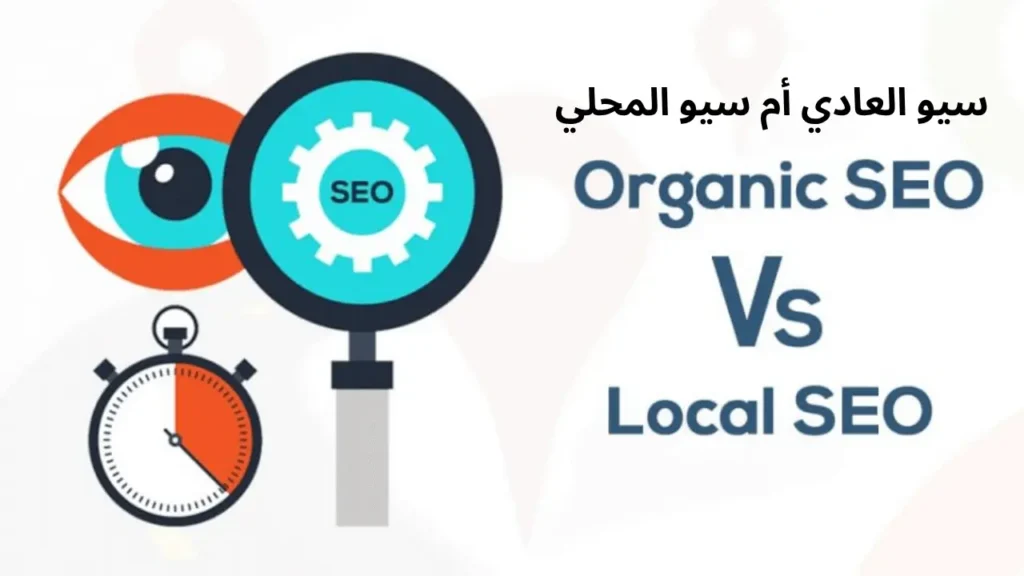
Search Engine Optimization (SEO) is key to improving your business’s presence online. It’s the process of making changes to your website so it appears higher in search engine results, helping more people find your products or services. No matter what kind of business you have, SEO is important for getting noticed and bringing more visitors to your site. But businesses have to choose between two main types of SEO: local SEO and traditional SEO (National SEO). The right choice depends on who you want to reach. Local SEO is aimed at attracting customers from a specific area, like a neighborhood or city. It’s perfect for businesses that rely on local customers, like restaurants, hair salons, or stores. Traditional SEO, on the other hand, targets a wider audience with no specific location in mind. It’s best for businesses that sell products or services across the country or even worldwide. This article will help businesses understand the differences between local and traditional SEO, and guide you in choosing the best option for your needs. Whether your business focuses on local customers or operates on a bigger scale, knowing the differences will help you reach the right people online. What is Traditional SEO? Traditional SEO or organic SEO is the process of improving your website to rank higher in search engine results for a wide range of keywords, without focusing on any specific location. It’s about making your website visible to a large audience, whether they are local, national, or global. Unlike local SEO, which targets people in a particular area, traditional SEO aims to reach as many people as possible who are searching for terms related to your business. The goal is to get your website noticed by anyone interested in your products or services, no matter where they are located. Traditional SEO Strategies: The first step in national SEO is finding the right keywords. This means figuring out what words or phrases people are searching for that relate to your business. You can choose short tail keywords (general terms like “shoes” or “restaurants”) or long tail keywords (more specific phrases like “best running shoes for women” or “Italian restaurants in Chicago”). Using both types of keywords can help your website appear in a wide variety of search results. Pros of Traditional SEO: Cons of Traditional SEO: What is Local SEO? Local SEO is the process of making your website rank higher in search results for people who are looking for services or products in a specific area. For example, when people search for terms like “best coffee shop near me” or “plumbers in Riyadh,” they are looking for businesses close to them. Local SEO helps these businesses show up when people search for things in their area. Unlike regular SEO, which focuses on attracting visitors from anywhere, local SEO is all about targeting people near your business. Local SEO strategies: Google My Business (GMB) is a key tool for improving local SEO. It’s a free listing that appears on Google search results and on Google Maps. By claiming and updating your GMB listing, you can ensure that your business shows up when people search locally. Make sure to add your correct address, phone number, business hours, and photos. The more complete and accurate your profile is, the more likely you are to show up in Google’s Local Pack, which is the group of businesses that appear at the top of local search results. Pros of Local SEO: Cons of Local SEO: Is Local SEO More Effective than Traditional SEO? It depends on your business goals. Local SEO = faster and more affordable for local customers. Traditional SEO = bigger reach and long-term growth. How Can a Business Rank for Both Local and National Keywords? Many companies want to be visible not only in their own city but also across the country. The great thing is, you don’t need to choose one over the other with the right strategy, you can rank for both at the same time. Best Practices 1. Separate Pages for Each Audience 2. Mix Local and National Keywords 3. Optimize Your Google Business Profile 4. Content for Both Markets 5. Build a Diverse Backlink Profile Takeaway: Consider local SEO and national SEO as strategies that work together. By balancing local relevance with national authority, your business can appear in both local map packs and organic national search results. Main Differences Between Local SEO and Organic SEO 1. Target Audience: The main difference between local SEO and organic SEO is the audience they focus on, Local SEO is all about helping businesses get noticed by people in a specific area. It’s for businesses that want to appear when someone searches for a service or product nearby. For example, someone searching for “best pizza in [city name]” is looking for pizza shops close to them. Local SEO helps businesses show up in these searches, making them visible to local customers. Organic SEO, on the other hand, targets a much broader audience. It works for businesses that want to attract visitors from all over the world, not just a specific area. It bring organic traffic without spending even a penny. This type of SEO focuses on improving your website’s visibility for general search terms, like “best pizza” or “top restaurants,” where the searcher’s location isn’t as important. It’s meant to help businesses that have a wider reach or an online presence. 2. Ranking Factors: The factors that determine how well a website ranks are different for local SEO and traditional SEO. So, while Organic or traditional SEO aims to make your website more authoritative globally, local SEO focuses on making your business visible to local customers. 3. Time to Results: Another difference between the two is how long it takes to see results. If you need quicker results, local SEO is the way to go, but traditional SEO may take more time to reach the top of global search results. 4. Search Results & Features: The way both types of