


Legal Business Structure in Saudi Arabia for Expats and Investors

Discover the best legal business structures available for expats and foreign investors in Saudi Arabia. From Limited Liability Companies (LLC) to Joint Stock Companies (JSC) and branch offices, this guide walks you through the options, requirements, and opportunities to help you make informed decisions when setting up your business in the Kingdom. Explore the advantages, challenges, and key steps to ensure a successful venture in Saudi Arabia.
How to Get a Virtual Office for Business Registration in KSA

Looking to register your business in Saudi Arabia without a physical location? Learn how a virtual office in KSA can help you meet legal requirements, save costs, and operate professionally from anywhere.
Complete Guide to Setting Up a Company Without a Saudi Sponsor
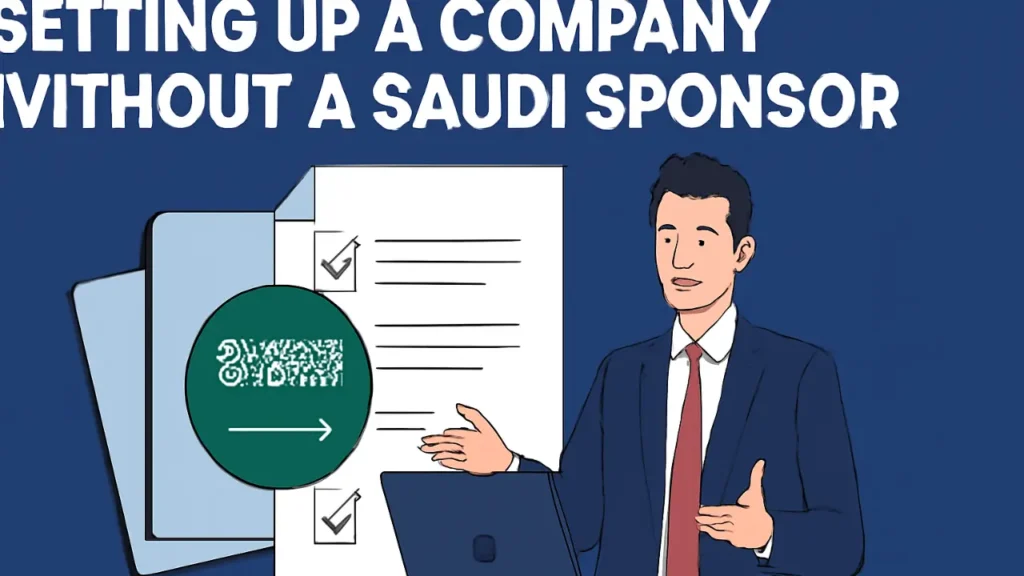
Starting a business in Saudi Arabia might sound complicated—especially without a local sponsor—but it’s more doable than you think. This guide breaks it all down in plain language, so you can take the right steps with confidence and clarity.
Why Saudi Arabia is Best to Start a Business in 2025

When people think about business hubs, cities like Dubai, Singapore, or London often come to mind. But in 2025, Saudi Arabia is making an unprecedented push to climb to the top of that list — and it’s doing it fast. Today’s Saudi Arabia isn’t just about oil rigs and vast deserts; it’s a nation in the middle of an economic and cultural transformation, welcoming entrepreneurs, tech innovators, and investors with open arms. The traditional image of Saudi Arabia is being replaced by a new one: a country of smart cities like NEOM, innovation districts, green energy projects, and world-class tourism initiatives. The Saudi government is not only encouraging investment — it’s actively partnering with businesses, offering them resources, funding, and an environment designed for success. Starting a business in Saudi Arabia in 2025 isn’t just a good idea—it’s a smart and strategic choices.Thanks to major reforms, foreign entrepreneurs can now fully own businesses without needing a local sponsor, opening up huge opportunities across sectors like technology, e-commerce, education, healthcare, entertainment, and green energy. The Kingdom has opened its doors wider than ever before. With streamlined business registration processes, reduced corporate taxes, new visa types for entrepreneurs, and a growing infrastructure tailored for startups and international businesses, it’s truly a golden moment to step in. In this blog, we’ll explore the core reasons why Saudi Arabia is turning into a global business magnet in 2025 — from the ambitious Vision 2030 plan to the powerful blend of young talent, tech-savvy infrastructure, and government support that makes this country an entrepreneur’s dreamland. Let’s dive in! 2. Economic Transformation and Vision 2030 Saudi Arabia’s economic landscape is undergoing a dramatic transformation that is quickly positioning the Kingdom as one of the most attractive business destinations in the world. The driving force behind this revolution is the Vision 2030 initiative, launched by Crown Prince Mohammed bin Salman (MBS) in 2016. Vision 2030 aims to diversify the Saudi economy, reduce its dependence on oil, and build a sustainable future that encourages innovation, entrepreneurship, and private sector growth. The oil boom that made Saudi Arabia wealthy for decades is still a cornerstone of its economy. However, Vision 2030 recognizes the need for change. The goal is to ensure that the Kingdom remains a powerhouse of economic influence, but this time through sectors like technology, tourism, entertainment, and renewable energy. One of the most compelling reasons why starting a business in Saudi Arabia in 2025 is such an attractive proposition is the government’s aggressive push for economic diversification. The Kingdom is investing billions of dollars into sectors that were once underdeveloped, such as renewable energy, technology, and entertainment. For example, projects like NEOM, a futuristic city being built in the desert, are a testament to Saudi Arabia’s ambitious goals. NEOM is not only going to be a hub for technology and business but is also a model of what the country envisions for its non-oil industries. In addition to supporting traditional industries, Saudi Arabia has created a business-friendly environment with policies that make it easier for both local and international businesses to thrive. The country has rolled out significant tax cuts, made investment laws more transparent, and simplified the bureaucratic red tape that often discourages foreign investments. Moreover, Saudi Arabia is capitalizing on its strategic location. It is located at the crossroads of Asia, Europe, and Africa, making it an ideal gateway for global trade. The Kingdom is investing heavily in infrastructure projects, including ports, airports, and railways, making it easier to access markets in these regions. For entrepreneurs, this means an opportunity to tap into new, dynamic markets that are growing rapidly. The Kingdom’s economic diversification and focus on creating a more inclusive economy is fueling job creation and driving demand for a wide range of services — from tech startups to luxury goods to educational services. In essence, Vision 2030 isn’t just about economic survival; it’s about thriving in a new, more modern and globally connected economy. For those looking to start a business in Saudi Arabia, this vision is an exciting invitation to be part of something groundbreaking and transformative. 3. Supportive Government Policies and Incentives One of the top reasons Saudi Arabia is becoming an attractive place to start a business in 2025 is the country’s business-friendly approach. The Saudi government has made it clear that it’s committed to supporting new businesses with policies and incentives that make it easier than ever for entrepreneurs to set up and grow their companies. In the past, foreign businesses in Saudi Arabia faced a major challenge: the need for a local sponsor. This meant that a Saudi national had to own a significant portion of the business, which created hurdles for international entrepreneurs. However, the government has made important changes in recent years by lifting this requirement. Now, foreign investors can own 100% of their business in several industries, such as technology, healthcare, and construction. This policy shift is a major breakthrough for international investors, making Saudi Arabia more accessible and attractive for global business expansion. In addition, the government has simplified the business registration process, which is a huge advantage for entrepreneurs. In the past, it could take weeks, if not months, to get all the necessary paperwork in order. But now, the Saudi government has launched online platforms that make it faster and easier to register a business. This shift has reduced the time and costs associated with starting a business, allowing entrepreneurs to focus on growing their ventures instead of dealing with bureaucracy. To further encourage business growth, Saudi Arabia offers a variety of financial incentives. The Saudi Arabian General Investment Authority (SAGIA) is at the forefront of these efforts, offering businesses the chance to receive tax breaks, subsidies, and even funding for their operations. This makes it more affordable for businesses to start and scale up, which is particularly appealing for new and small companies looking for a strong financial foundation. The Saudi government is especially focused on developing its non-oil
Freelance Visa in Saudi Arabia (2025): The Real Facts, Legal Alternatives, and Costs Explained
Freelance visa in Saudi Arabia — you’ve probably heard the term, maybe even seen a few videos or blogs claiming it’s easy to get. But what’s the real story? Here’s the truth: Saudi Arabia currently doesn’t offer a dedicated freelance visa for foreigners. Instead, it has introduced a freelance work permit, also known as the MHRSD freelance license, which allows Saudi citizens — and in some cases residents — to work independently without a traditional sponsor. In this guide, you’ll discover exactly how freelancing works in the Kingdom today, what’s true and what’s not, the actual costs, requirements, and the right legal paths available for both residents and foreigners. By the end, you’ll know how to start freelancing in Saudi Arabia the right way — without risking legal or visa issues. Foreign professionals can still work independently by obtaining a MISA Investment License, partnering with a local company, or waiting for the upcoming Digital Nomad Visa program under Vision 2030. Over the past few years, freelancing in Saudi Arabia has exploded in popularity. Thousands of professionals in fields like digital marketing, IT, design, and business consulting have chosen independent work over traditional employment. The government’s Vision 2030 plan has encouraged this shift, pushing for a more flexible and innovative workforce. But while opportunities are growing fast, many still misunderstand how the system really works — especially when it comes to the so-called “freelance visa.” This article will guide you step-by-step through what that means, who qualifies, how much it costs, and what legal alternatives exist for foreign professionals. Think of it as a friendly, honest walkthrough — simple, practical, and focused on helping you make informed decisions about working independently in Saudi Arabia in 2025 and beyond. What Exists Today: The Freelance Work Permit (Not a Visa) Saudi Arabia does not currently issue a separate freelance visa for foreigners. What exists is a Freelance Work Permit (رخصة العمل الحر) offered by the Ministry of Human Resources and Social Development (MHRSD). This permit allows Saudi citizens — and in limited cases, residents with valid Iqama — to work independently in approved fields such as marketing, IT, and design without needing a traditional employer sponsor. Understanding the Difference: Visa vs. Work Permit It’s easy to mix the two, but they serve different purposes: So, when people say “freelance visa,” what they really mean in Saudi Arabia is a freelance work permit — it’s not an entry visa. You can’t apply for it from abroad. It’s available only to people who already live in Saudi Arabia legally. What Is the Freelance Work Permit The MHRSD Freelance Work Permit is a government-issued license that lets individuals work independently without being tied to one employer. Once you apply through the official Freelance.sa platform, you can legally offer your services, issue invoices, and even register on e-commerce platforms like Maroof. Who Can Apply Approved Professions Under the Freelance License Some of the most common eligible categories include: This permit helps individuals work freely, expand their client base, and become part of the fast-growing digital economy under Saudi Vision 2030. How does the freelance work permit differ from a work visa? A freelance work permit in Saudi Arabia is a license issued by the Ministry of Human Resources and Social Development (MHRSD) that allows citizens and residents to work independently in approved professions without needing a sponsor.In contrast, a work visa is an entry visa granted to foreigners by the Ministry of Foreign Affairs that allows them to enter the country and work under an employer’s sponsorship. In short: Who Can Apply and Eligibility Conditions To qualify for a freelance work permit in Saudi Arabia, you must be a Saudi national or a legal resident (Iqama holder) working in one of the approved freelance professions, have a valid Absher account, and meet the health-insurance requirements set by MHRSD. Basic Eligibility Criteria Why These Rules Matter Saudi Arabia’s freelance framework was designed to protect both professionals and clients. By meeting these simple conditions, you ensure your work stays legal, traceable, and compliant with Vision 2030’s push for a stronger self-employment sector. Once approved, your freelance permit remains valid for one year and can be easily renewed online through Freelance.sa — giving you full freedom to work with multiple clients while staying 100% compliant. Step-by-Step Process to Obtain a Freelance License (for Residents / Saudis) If you live in Saudi Arabia (or are a citizen), you can get a freelance work permit through a clear online process: log in via Absher, pick your profession, upload ID and credentials, pay a small fee, and then download your permit. How It Works (In Simple Steps) Here’s a straightforward, step-by-step path that many residents use: Open your browser and go to the Freelance.sa site. This is the official platform for applying for a freelance license. Use your Absher credentials (your Saudi ID login) to access your dashboard. Only people already registered in the Saudi system can use this. From the list of allowed freelance fields, select the one that matches your skills (for example, design, marketing, translation, or IT). The portal shows categories, so pick carefully. You’ll need to upload a clear scan of your national ID (or Iqama, if you’re a resident), a recent personal photo, and any certificates or credentials you have. If you have a portfolio or proof of past work, include that too. The system charges a small issuance fee — typically about SAR 100 — to process and activate your permit for one year. Once your application is approved, you can download the permit in digital form. This becomes your legal proof to work as a freelancer in approved fields. To boost trust and visibility when offering services online, you may register on Maroof, Saudi Arabia’s e-commerce verification platform. It can help you find clients who prefer verified freelancers. Tips for Smooth Approval This process ensures you work legally and with confidence. Once you follow it, your permit is usually ready within a few days. Estimated
A Simple Step-by-Step Guide to Registering Your Business License in Saudi Arabia
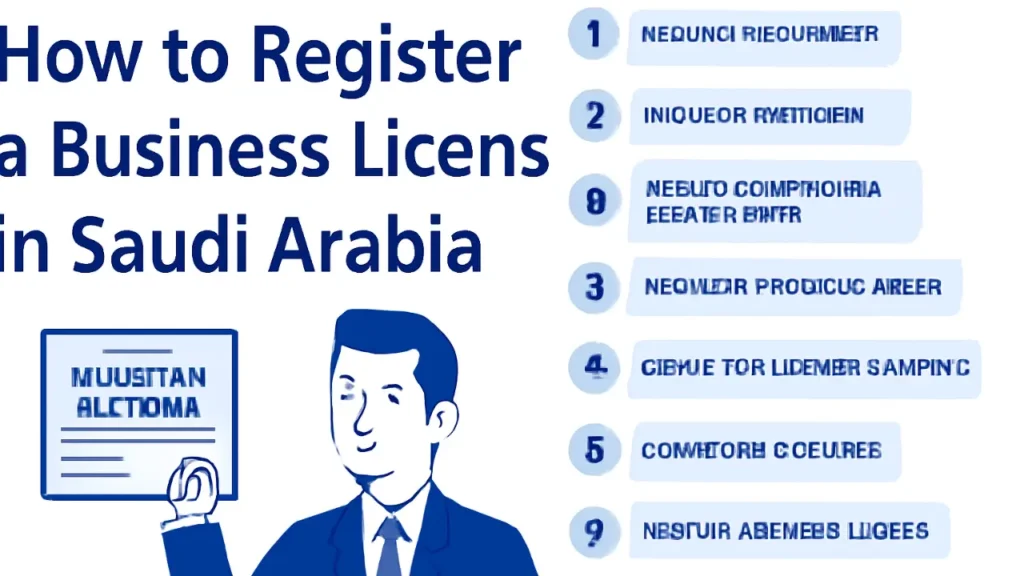
Starting a business in Saudi Arabia? Our step-by-step guide simplifies the process of registering a business license, from choosing your business structure to obtaining essential permits. Learn everything you need to get your business up and running legally and efficiently in the kingdom.
Top 10 Business Ideas for Foreigners in Saudi Arabia (Profitable and Legal)

Explore the top 10 profitable and legal business ideas for foreigners in Saudi Arabia. From setting up a business without a sponsor to tapping into the booming digital marketing and real estate sectors, discover opportunities that align with Saudi Arabia’s Vision 2030 and offer growth potential for entrepreneurs looking to invest in this dynamic market.
Overview of Saudi Arabia’s Business Landscape (2025)
Starting a business in Saudi Arabia in 2025 offers exciting opportunities for foreign entrepreneurs. With the country’s commitment to Vision 2030, the business environment is more welcoming than ever. From navigating legal structures to understanding cultural nuances, this comprehensive guide provides expert insights into setting up your business in the Kingdom. Whether you’re looking to take advantage of Saudi Arabia’s growing sectors or expand your market reach, this guide will help you turn your business vision into reality.
How to Rank in Position Zero: A Step-by-Step Guide to Dominating Google’s Featured Snippets

Unlock the secrets of Position Zero(P0) and learn how to consistently rank above traditional search results. This in depth guide walks you through everything from understanding featured snippets to optimizing your content with proven strategies. Whether you’re an SEO pro or just getting started, this guide will help you dominate the SERPs in 2025.
What is Search Intent? The Ultimate Guide for Content that Ranks in 2025

Understanding search intent is the secret weapon behind high-ranking content in 2025. In this guide, we break down what it is, why it matters, and how to create content that perfectly matches what your audience is actually searching for.