



Google Ads Ad Copywriting: Strategies to Boost CTR and Lower CPC
Struggling to get clicks on your Google Ads? Discover proven copywriting tricks that top marketers use to boost CTR and cut ad costs. These actionable tips will help you stand out, drive more traffic, and get better results—without blowing your budget.
Complete Guide to PPC Bidding Strategies: Manual, Automated & Smart Bidding
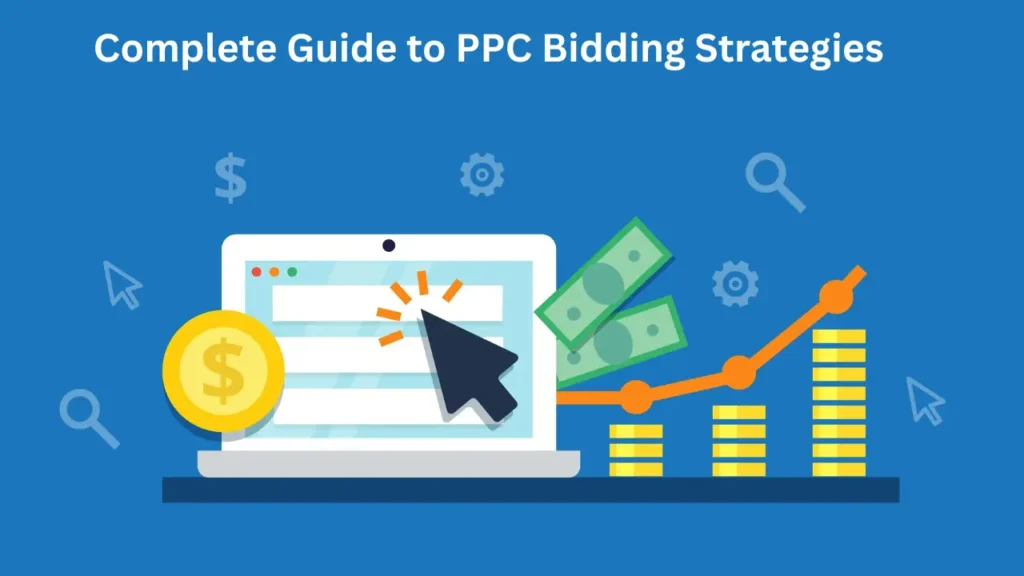
PPC bidding strategies play a big role in how much you pay and what results you get from your ads on platforms like Google Ads. In this complete walkthrough, you’ll learn exactly how PPC bidding works, the different strategies available (like manual, automated, and smart bidding), and when to use each one based on your business goals. Whether you want more clicks, leads, or sales, this guide will help you choose the right bidding approach and avoid costly mistakes. Here’s the simple truth: mastering the right bidding strategy is the difference between wasting your budget and getting actual results. This blog will explain each bidding type in plain English—no confusing jargon—so even if you’re a beginner or just exploring PPC for the first time, you’ll be able to follow along and apply what you learn. Did you know? As of 2025, over 80% of advertisers using Google Ads rely on automated or smart bidding to optimize performance, according to Google’s internal data. That means businesses are trusting AI and machine learning to do the heavy lifting—but that doesn’t mean manual bidding is outdated. In fact, manual bidding still has its place, especially if you want full control over your ad spend. If you’ve ever wondered things like: then you’re in the right place. By the end of this guide, you’ll have a clear understanding of how to choose, apply, and optimize the best PPC bidding strategy for your business—without wasting money or feeling confused. Let’s dive in. What is a PPC Bidding Strategy? A PPC bidding strategy is the method used to control how much you’re willing to pay for each click on your ad. It determines when your ad appears, where it ranks, and how much you spend per click. Choosing the right bidding strategy helps align your ad spend with your business goals whether that’s generating traffic, leads, or sales. In pay-per-click (PPC) advertising, you’re not just paying for ad space, you’re competing in a digital auction. Every time someone searches for a product or service you offer, Google or another platform runs a quick auction to decide which ads should appear and in what order. At the heart of this process is your bidding strategy—your way of telling the platform how much value you place on a click, a conversion, or even just visibility. How PPC Bidding Works Here’s how the PPC auction is decided: A higher Quality Score increases your chances of securing a better ad position, even if your bid is lower than competitors. Why Your Bidding Strategy Matters A well-chosen bidding strategy directly impacts: Aligning Strategy with Goals Different campaign goals require different bidding approaches: We’ll explore each of these strategies in detail in the upcoming sections. A PPC bidding strategy isn’t just about money—it’s about how smartly you use your budget to get real results. 3. Types of PPC Bidding Strategies: Full Breakdown There are three core types of PPC bidding strategies: manual bidding, automated bidding, and smart bidding. Each serves different goals—manual offers control, automated saves time, and smart bidding leverages machine learning to optimize for conversions or value. Choosing the right one depends on your business goals, campaign type, and data availability. In Google Ads and other platforms, bidding isn’t just about the highest offer—it’s about choosing a strategy that aligns with your campaign objectives. Let’s break down each type in detail: 1. Manual Bidding You choose the highest amount you’re willing to pay per click for each keyword or ad group. Best for: Pros: Cons: 2. Automated Bidding Google automatically changes your bids to match your campaign goals—whether that’s getting more clicks, views, or conversions. Best for: Pros: Cons: 3. Smart Bidding Smart bidding relies on Google’s machine learning to automatically adjust your bids in real time, helping you get the best results based on your conversion goals. Best for: Pros: Cons: Summary Table Bidding Type Control Automation Ideal Use Case Manual High Low Testing, small budgets Automated Medium Medium General traffic or visibility Smart Bidding Low High Conversions & value at scale Choosing the right bidding type lays the foundation for efficient ad spending and stronger ROI. 4. Manual Bidding in PPC: Full Control for Smarter Strategy Manual bidding is a PPC strategy where advertisers set their own bids for each keyword or ad group. It provides maximum control over spend, allowing for precise optimizations. It is best used in small-scale campaigns or when testing performance at a granular level. Manual bidding allows advertisers to take the reins. You decide how much you’re willing to pay for each click, making it a favorite for campaigns where precision and experimentation are important. Key Benefits of Manual Bidding When Should You Use Manual Bidding? Potential Drawbacks Pro Tips for Effective Manual Bidding Manual bidding gives you hands-on control and clarity, making it an excellent starting point for advertisers who want to learn the nuances of PPC bidding without relying on automation. 5. Automated Bidding: Hand Over the Bidding to Google Automated bidding is a PPC strategy where the ad platform automatically adjusts your bids to help you meet your campaign goals, such as increasing clicks, impressions, or conversions. It is designed to save time and deliver efficient results based on historical data and real-time signals. Automated bidding shifts the responsibility of bid adjustments from the advertiser to Google. Google takes care of bidding for you, adjusting amounts based on the objectives you set—no need for guesswork. Popular Automated Strategies and What They Do Key Advantages Things to Consider Best Use Cases Automated bidding is ideal for marketers who want to focus on strategy and let the platform manage bid mechanics efficiently. Is Manual Bidding Better Than Smart Bidding? Not always. Manual bidding gives you full control, but Smart Bidding often delivers better results especially when you have enough data. 6. Smart Bidding in Google Ads: AI-Powered Optimization Smart bidding is a group of automated strategies in Google Ads that rely on machine learning to help you get more conversions or
What Is Google Ads and Why Every Business Needs It Today
If you’re running a business in today’s digital era, you’ve probably heard people talking about Google Ads. But what exactly is Google Ads, and why does it seem like everyone insists your business can’t survive without it? Well, imagine you run a cozy coffee shop. You might put up posters around town hoping people notice your café, or maybe you rely on word-of-mouth. But what if you could instantly place your café in front of thousands of people actively searching online for “best coffee near me”? That’s exactly what Google Ads does. Google Ads isn’t just another advertising method, it’s a digital marketing tool designed by Google to help businesses get noticed online. Almost everyone turns to Google first whenever they want something whether it’s finding a restaurant, buying clothes, booking a flight, or even hiring a plumber. With Google Ads, businesses can show up right when customers are searching, ensuring they’re always just one click away from potential sales. But here’s where it gets interesting: Google Ads isn’t only about showing your business to more people. It’s also about showing it to the right people, at exactly the right time. It’s like having a salesperson who never sleeps, constantly guiding customers straight to your doorstep. If you aren’t using it yet, chances are you’re missing out on lots of potential sales. In this blog, we’ll uncover everything you need to know about Google Ads—what it is, how it works, why your business needs it urgently, and how you can start benefiting from it right away. By the end, you’ll clearly see why Google Ads isn’t just another marketing expense, it’s the secret to growing your business faster and smarter. What Are Google Ads? First things first let’s clearly understand what Google Ads actually is. Google Ads, originally known as Google AdWords, is Google’s online advertising system where businesses pay to display their ads on Google’s search results pages and across millions of websites. If you’ve ever searched for something on Google and noticed listings at the top marked as “Ad,” you’ve already seen Google Ads at work. But how did it all start? Back in the early 2000s, Google realized people searching online were highly motivated to find products or services quickly. So, they created an advertising platform where businesses could bid on specific keywords related to their products. For example, a shoe store could bid on keywords like “buy running shoes” or “best sneakers online.” When users type those phrases into Google, ads from the highest bidders pop up. Google Ads isn’t just limited to text-based search results. It has evolved significantly, now including different formats such as: This variety ensures your business can reach customers no matter what they’re doing online. Think of Google Ads like renting space in a highly visible store. You’re paying Google to place your business exactly where your potential customers can easily see it. And the best part? You only pay when someone clicks your ad, meaning your money goes directly toward attracting interested customers. It’s efficient, effective, and essential for businesses aiming to grow in today’s competitive market. How Google Ads Work – Explained Simply Google Ads works by businesses bidding on keywords relevant to their services. When users search these keywords, ads appear based on the bid amount and ad quality. Advertisers mainly pay per click (CPC), per thousand views (CPM), or per action (CPA). Google Ads works in a very straightforward way. First, you decide what keywords your customers might type into Google when looking for your product or service. If you sell shoes, you might pick keywords like “buy shoes online” or “best running shoes.” Once you’ve chosen these keywords, you set a budget to tell Google how much you’re willing to pay when someone clicks on your ad. Here’s how it happens in real-time: A customer searches Google using your chosen keyword. Google instantly checks all businesses bidding on that keyword. Whoever bids enough and has relevant content gets their ads displayed on top. This bidding process is like a quick online auction, happening every second, ensuring the most relevant businesses appear. But there’s one extra step Google takes—it looks at how good your ads and your website are, known as “Quality Score.” If your website clearly matches what customers searched for, Google rewards you by placing your ad higher, even if your bid isn’t the highest. Simply put, good content can save you money. Google charges advertisers mainly in three ways: This flexible system makes Google Ads perfect for businesses of every size, from small shops to large companies. It ensures you only spend your money on genuinely interested customers, making it cost-effective and easy to manage. Importance of Google Ads for Modern Businesses Google Ads is important for businesses because it places them directly in front of customers searching online. It targets specific audiences, provides immediate visibility, offers measurable results, and helps businesses stay competitive in the digital marketplace. Today, Google Ads isn’t just helpful it’s essential. Why? Because everyone is online now. Whenever people need anything, from ordering food to booking a plumber, they instantly search Google. The businesses that appear at the top of these search results are usually the ones that get the most attention and the most customers. Traditional advertising methods, like newspaper ads or billboards, simply can’t compete with the immediacy and targeted precision of Google Ads. Imagine someone searching for “emergency plumber near me.” Your plumbing business ad appears immediately, providing exactly what they need at the exact moment they need it. That’s powerful and effective. With Google Ads, you’re not just putting your business out there, you’re connecting directly with people who are already searching for what you offer. It’s like being in the right place at the right time, every time. You can show your ads only to specific groups like people in your city, or those interested in certain things. This targeted advertising ensures you’re not wasting money on irrelevant audiences. You’re talking directly to